Patella
Patellar Luxation
Common in small breeds. When a dog repeatedly braces itself on a slippery floor, the load on the knee gradually increases.
Dogs spend most of their lives indoors. The floor they walk on every day has a profound effect on their health. Isn't it worth thinking about how to reduce the strain on their joints and spine — so they can keep running freely for years to come?
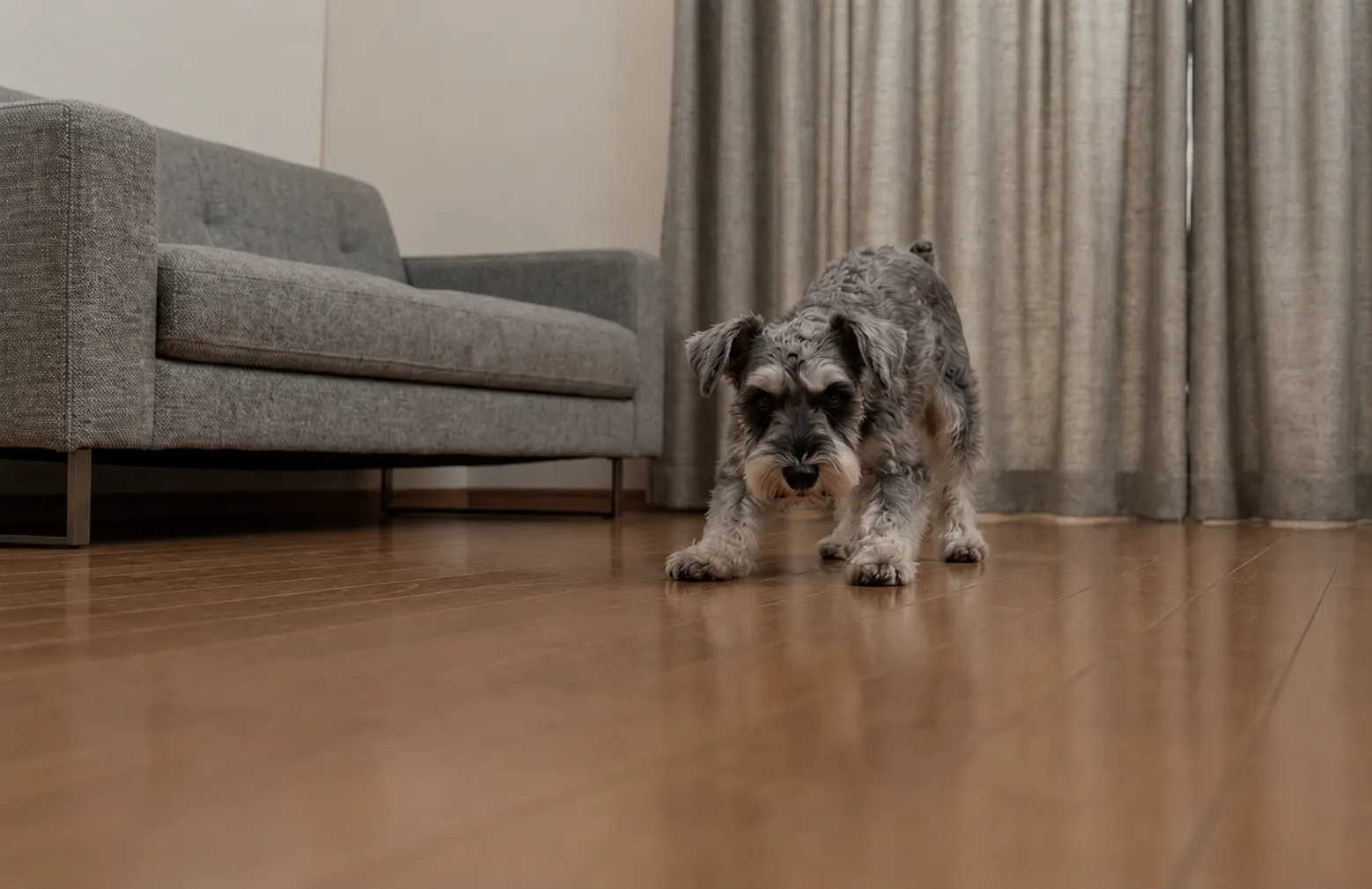
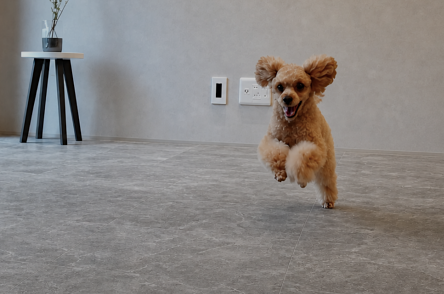
These signs may not simply be a matter of age — the floor environment could be a contributing factor.
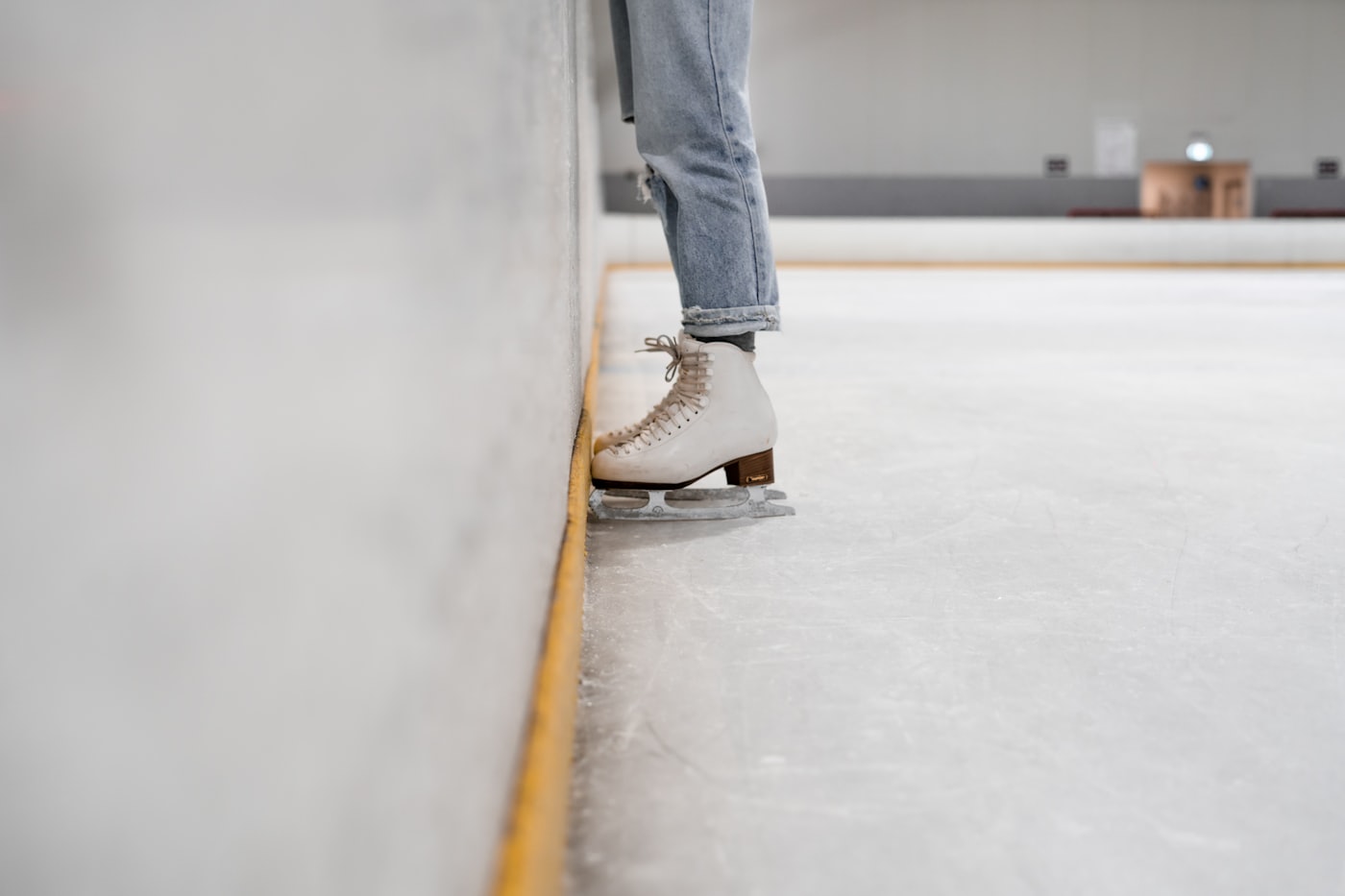
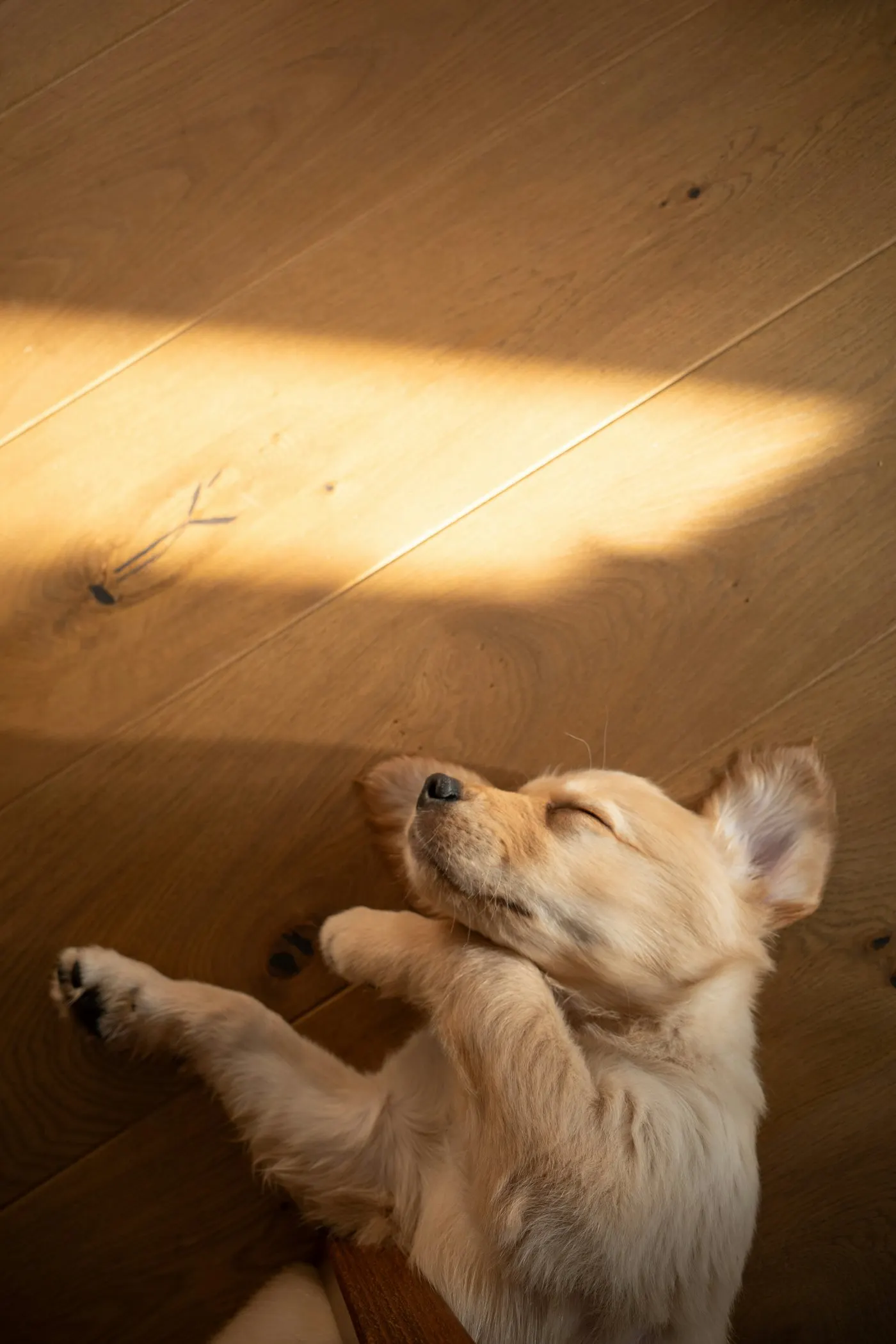
Imagine living every day on an ice rink. Every step takes effort; every sprint risks a fall.
Of course, hardwood floors aren't exactly the same as an ice rink for dogs. But the challenge of navigating a slippery surface? That part is surprisingly similar.
Dogs are animals built for earth, grass, and natural ground — surfaces that offer grip. Hardwood floors, on the other hand, are smooth, hard, and offer very little traction.
A dog's paws have soft pads — but these aren't structured to grip hard surfaces the way shoe soles do. And when the fur between the pads grows long, slipperiness only increases.
On hardwood floors, everyday movements — walking, turning, stopping, jumping — can easily become unstable for them.
Without realizing it, a dog is constantly bracing itself against slipping. Over time, this places extra strain on the shoulders, hips, knees, and spine.
The moments of highest impact: launching into a run, skidding to a stop, changing direction sharply.
Slippery floors don't directly cause illness. But among veterinarians, non-slip flooring is widely recommended to reduce the cumulative load on joints and the lower back.
Common in small breeds. When a dog repeatedly braces itself on a slippery floor, the load on the knee gradually increases.
Common in breeds like Dachshunds. The impact of slipping or falling can be a contributing factor to lower back strain over time.
That's why the environment matters — not after symptoms appear, but before they ever do.
A daily walk might last 30 minutes to an hour. But the rest of the day — nearly all of it — is spent inside.
For a dog, the floor is where they touch, walk, run, and sleep. Every single day.
Just as you think carefully about what they eat, the floor beneath their paws is part of how you care for them.
A stable footing that eases the constant effort of bracing.
Softens the impact of landing with every step and jump.
Keeps life with a pet hygienic and comfortable.
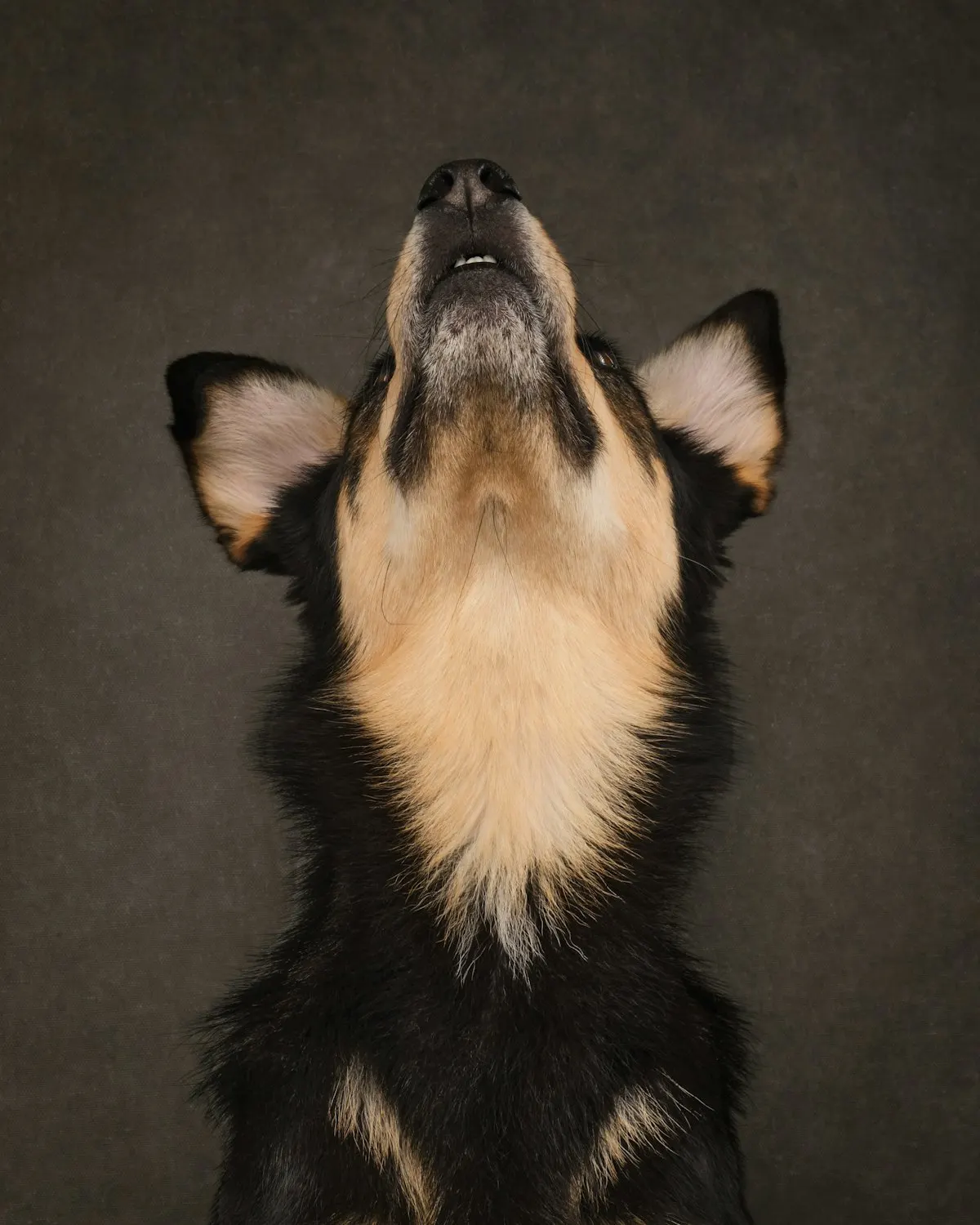
Dogs are instinctively built to hide pain. Even when something is straining their joints, they often appear as normal as ever.
That's why the environment matters — not after symptoms appear, but in the everyday space where they live.
For every extra day together —
running freely, full of life.
The floor is used every single day. So the difference it makes accumulates over years. Moving home or rearranging a room is the perfect moment to reconsider what's beneath your dog's paws. A floor that's kinder to their joints — one that supports the life you share.
We'll guide you through flooring options and real installation examples.