Four floor materials compared in depth.
How to choose a floor that suits your life
You have found your new place. You know the layout and the sunlight.
So what about the largest surface in the room: the floor?
This is something to decide before the wallpaper and before the furniture.
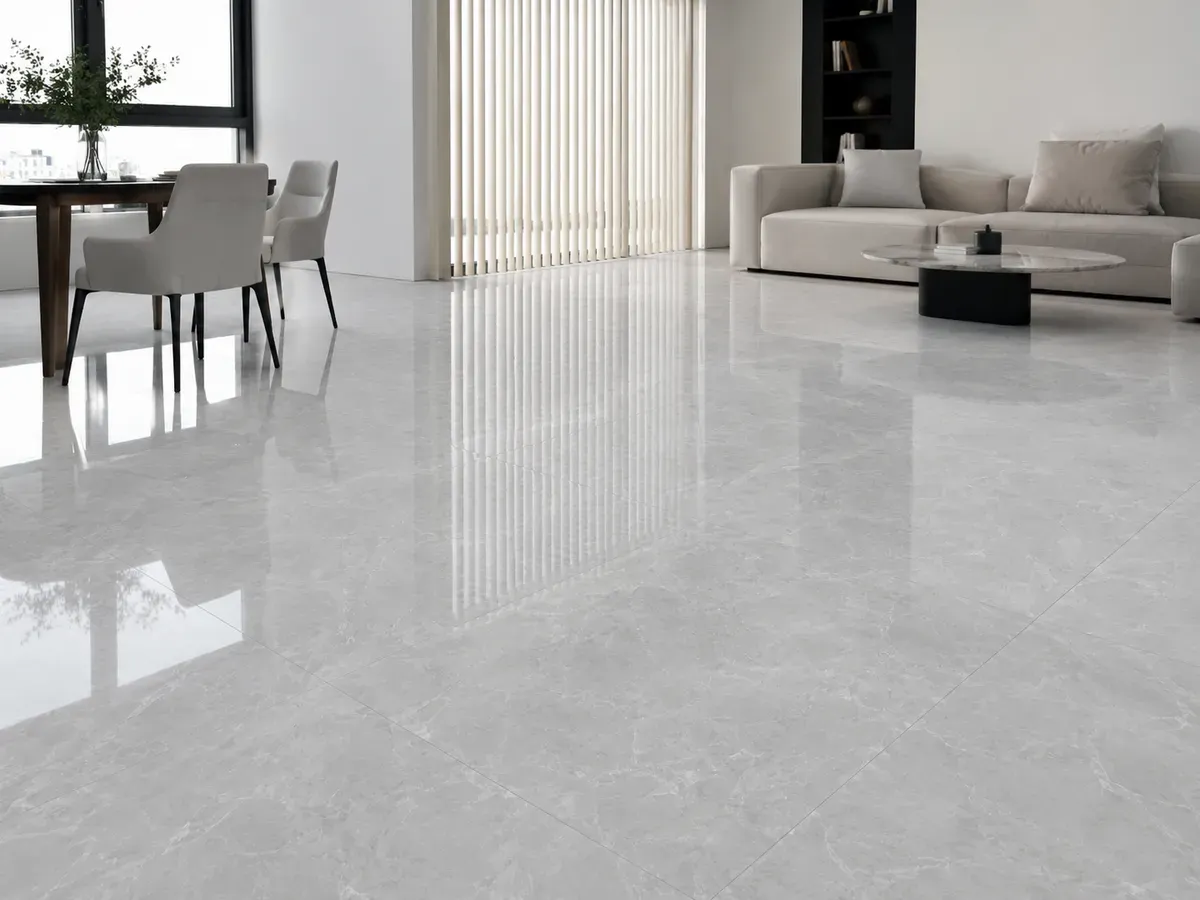
The floor is the largest “color” and “material” in a room.
renovy offers four types: cushion floor, floor tile, non-skid flooring and carpet.
If cost and cushioning come first, cushion floor. If appearance and material feel come first, floor tile. If slip resistance and durability come first, non-skid flooring. If feel underfoot and sound insulation come first, carpet (carpet tile) is a candidate.
No single one is best in every way. The right floor material changes with how the room is used, the furniture, pets, wet areas and how you clean. This article spells out how it changes, all the way through.
The floor decides half of a room’s impression.
When you stand in a room, the floor is the largest surface in view. Walls are hidden by furniture and curtains, and you almost never look up at the ceiling. But the floor catches your eye with every step, and you feel it through the soles of your feet.
So the color of the floor sets the brightness of the room, and the material feel of the floor sets the air of the room. With the same layout and the same furniture, a room becomes something completely different depending on whether the floor is a gray stone look or a pale wood grain.
And one more thing. The floor is also the hardest place to change later. Once you have furniture in place, curtains hung and have started living there, if you think “I want to change it after all,” you would have to move everything in the room.
There is no better time to choose a floor.
Now, the options. These are the four types renovy actually offers.
First, the overall picture in one table.
| Floor material | Main feature | Main advantages | Main points to note |
|---|---|---|---|
| Floor tile | Rigid, tile-shaped floor material | Wood and stone expression / durability / a high-end feel | Modest cushioning |
| Cushion floor | Soft, sheet-shaped floor material | Easy to keep costs down / water resistance / cushioning | Furniture marks and dents tend to remain |
| Non-skid flooring | Sheet-shaped floor material that resists slipping | Slip resistance / water resistance / resistance to furniture marks | Relatively few options in cushioning and pattern |
| Carpet | Fiber-based floor material | Sound insulation / feel underfoot / resistance to slipping / partial replacement | Moisture, hair and dust take effort to clean |
* Performance varies by product and installation conditions. What is written here is the general tendency of each material.
Compared in detail on 12 points.
| Item compared | Floor tile | Cushion floor | Non-skid flooring | Carpet |
|---|---|---|---|---|
| Appearance and material feel | ◎ | ○ | ○ | ○ |
| Ease of keeping costs down | △ | ◎ | ○ | △ |
| Cushioning | △ | ○ | △ | ◎ |
| Slip resistance | △〜○ | ○ | ◎ | ◎ |
| Water resistance | △ | ◎ | ◎ | △ |
| Ease of cleaning | ◎ | ◎ | ◎ | △ |
| Resistance to furniture marks | ◎ | △ | ◎ | ○ |
| Resistance to scratches and wear | ◎ | △〜○ | ◎ | ○ |
| Sound insulation | △ | ○ | ○ | ◎ |
| Partial replacement | ○Depends on installation method | −Generally not possible | −Generally not possible | ◎Possible |
| Compatibility with pets | ○Depends on the product | ○ | ◎ | ◎ |
| Suitability for wet areas | △ | ◎ | ◎ | △ |
◎ Particularly good ○ Sufficient △ Somewhat weaker − Not supported
* This is a relative evaluation of the four types, not an absolute performance value.
* Even the same floor material differs by product grade. Check the product specifications when you actually choose.
Cushion floor, floor tile and non-skid flooring are all materials that resist water. But a floor is not a single board; it has seams and joins with the walls. If water gets in there, the base can be damaged even if the floor material is fine. In washrooms and toilets, check not only the water resistance of the material but also how the seams are handled.
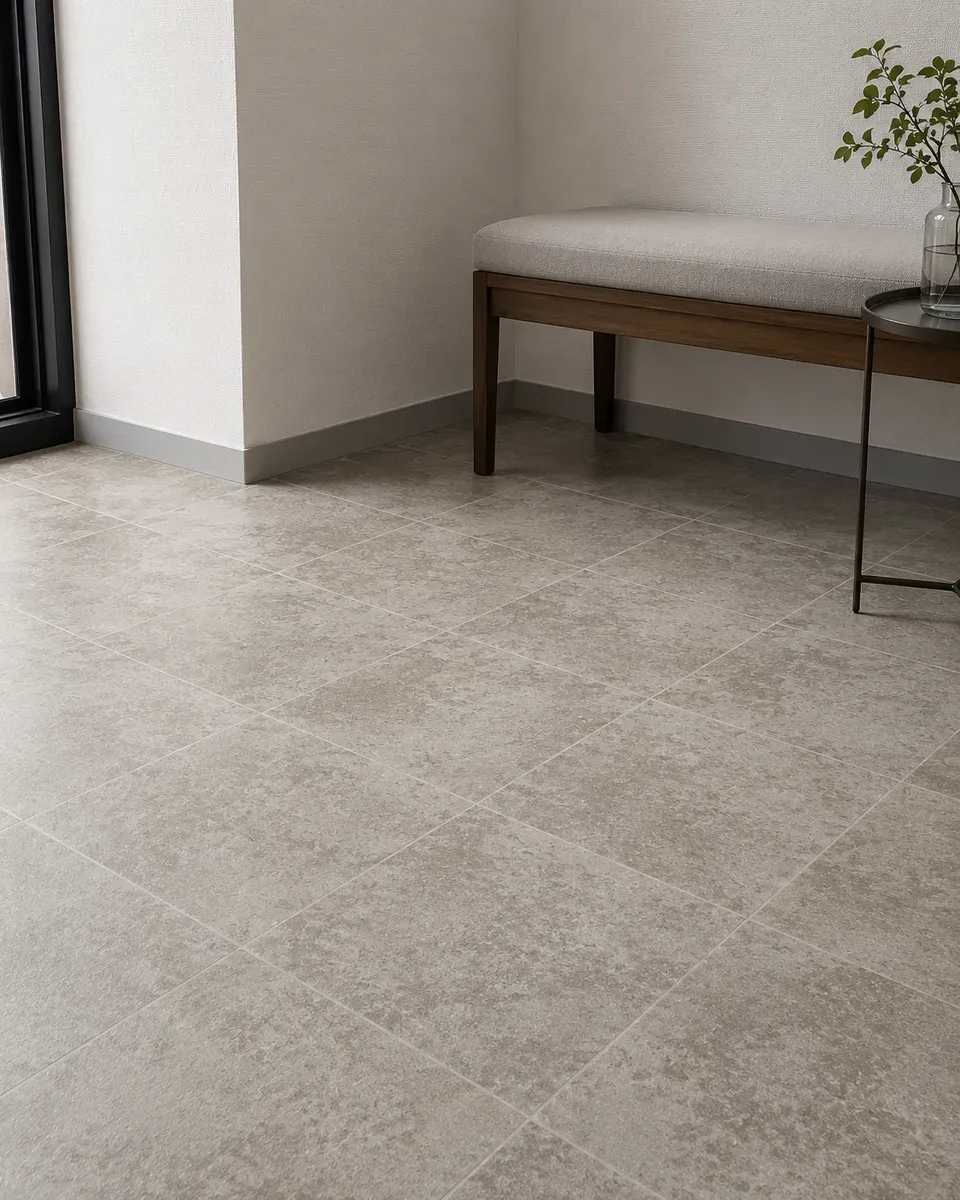
If appearance and texture matter most
Floor tile
The highest quality of finish.
Prices vary by design
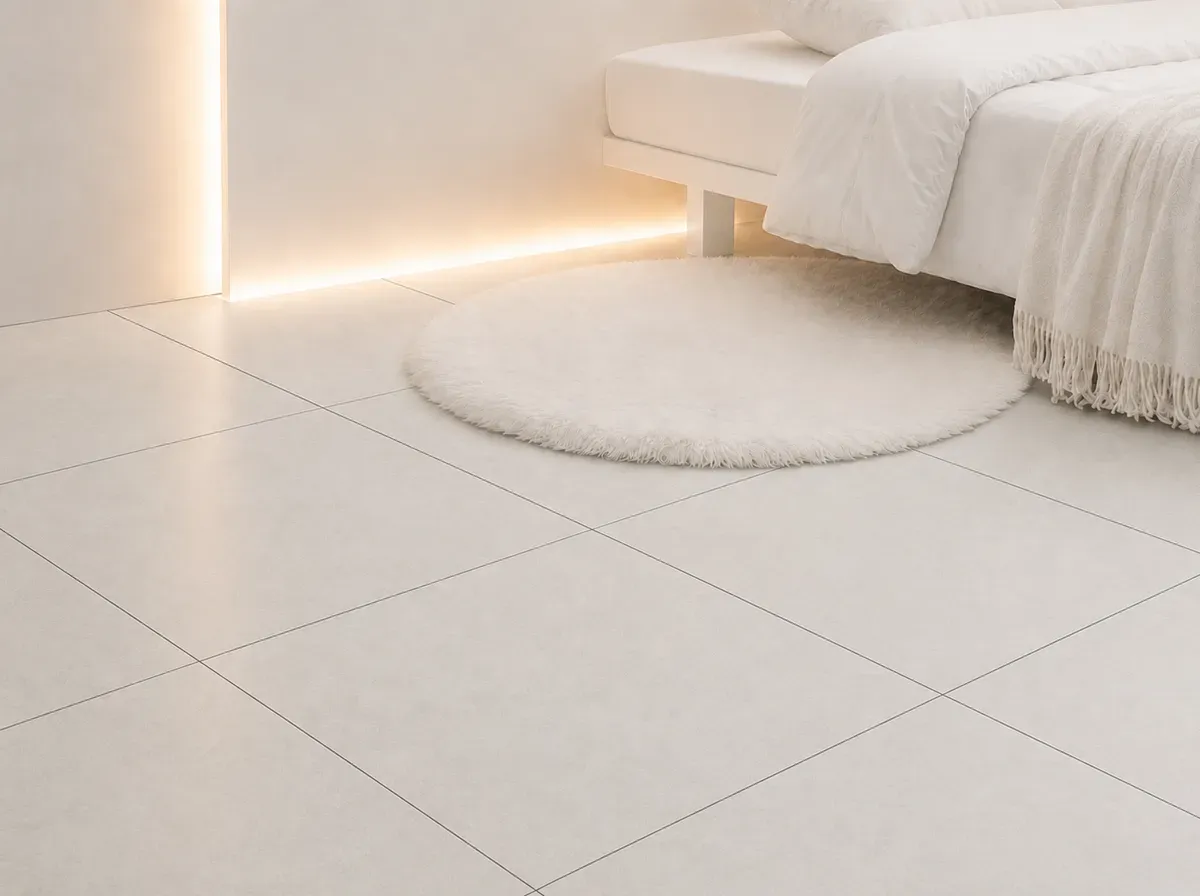
Even though it is the same PVC material, this is a rigid floor formed into tiles or planks. The surface is embossed with wood or stone texture, and light creates shadow and depth. Of the four types, floor tile reproduces the texture of the material itself best.
Pros and cons of floor tile
Merit
- Fine expression of wood and stone, with a high-quality texture
- Hard, and resistant to scratches and wear
- Furniture marks are less likely to remain
- Can be partially replaced, depending on the installation method
Demerit
- Tends to feel cold in winter
- Costs more than cushion floor
Stone versus wood grain
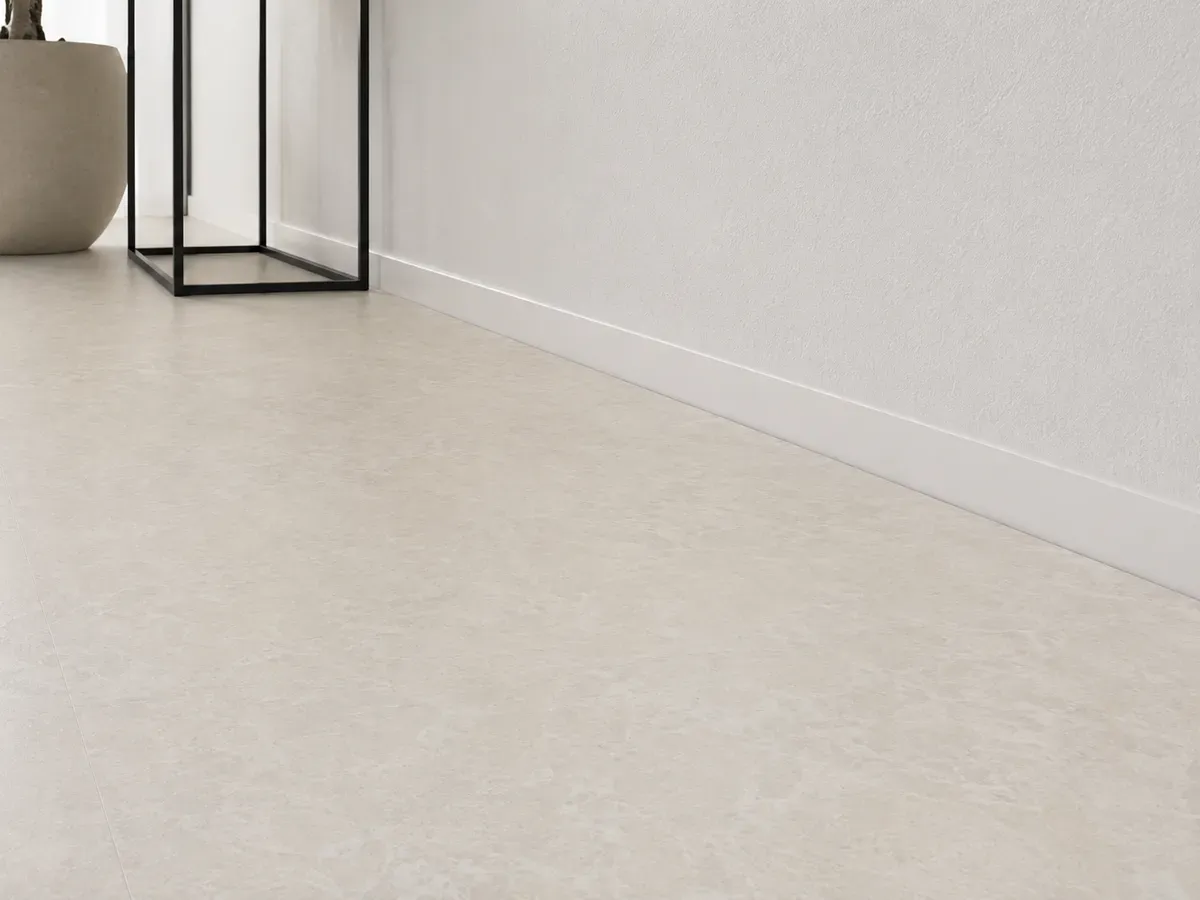
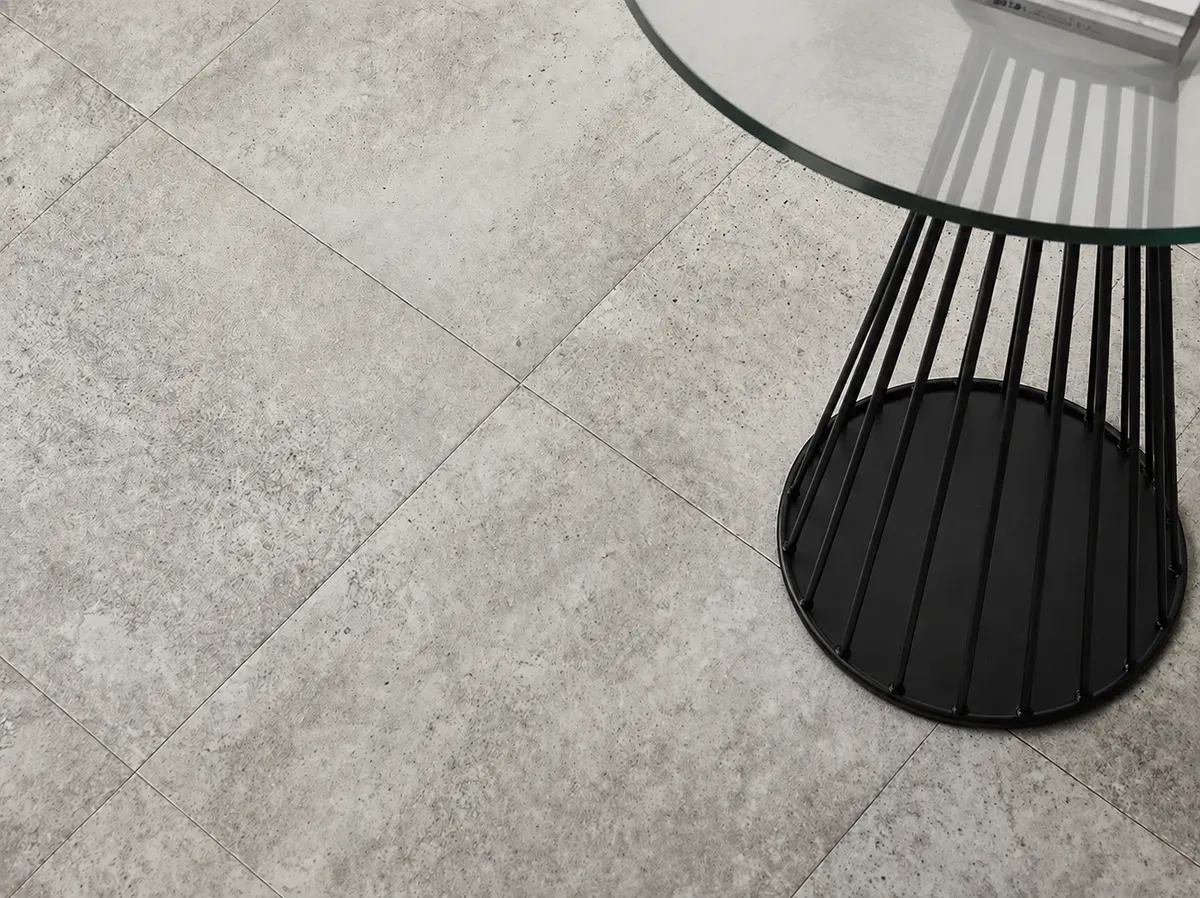
Stone quietly tightens a space. Its look changes with the light, and without asserting itself it raises the standing of the space. Stone is what renovy chooses as its default.
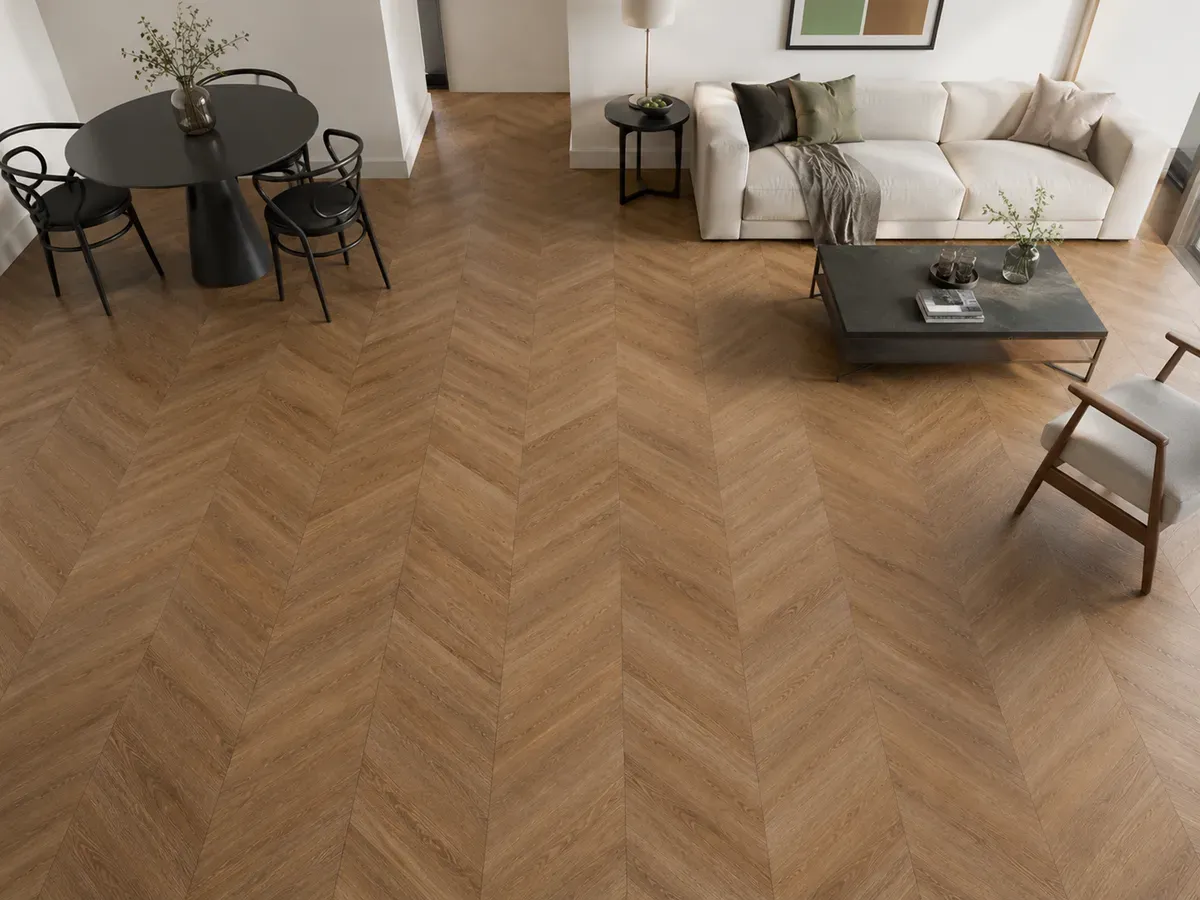
Wood grain makes a space look soft. Herringbone in particular has a regular run that creates flow for the eye, giving both calm and refinement.
If unsure, picture the furniture you already own. renovy brings a space together by matching the impression of the floor and the furniture.
- Lots of cold, hard furniture such as metal, glass and leather Stone
- Lots of wooden furniture with a thick texture Wood grain (herringbone and others)
When the textures of floor and furniture match, the room becomes a single picture.
- You want a hotel-like texture
- You do not want scratches or furniture marks to remain
- You want wood or stone with an expression close to the real thing
renovy floor tileSee all →
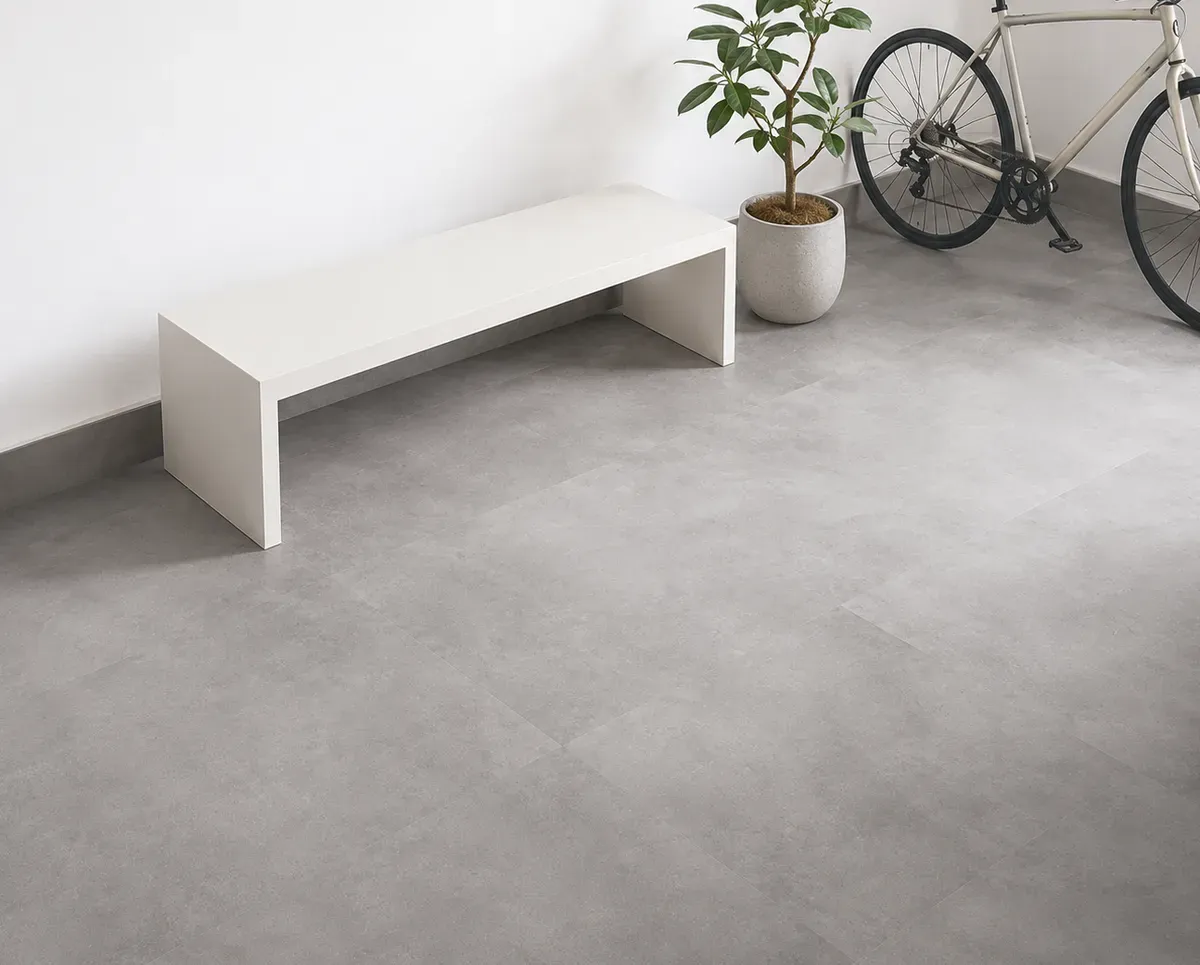
If you want to keep costs down
Cushion floor
Within reach in price, and good against water.
¥14,800 and up per tatami mat (excluding tax)
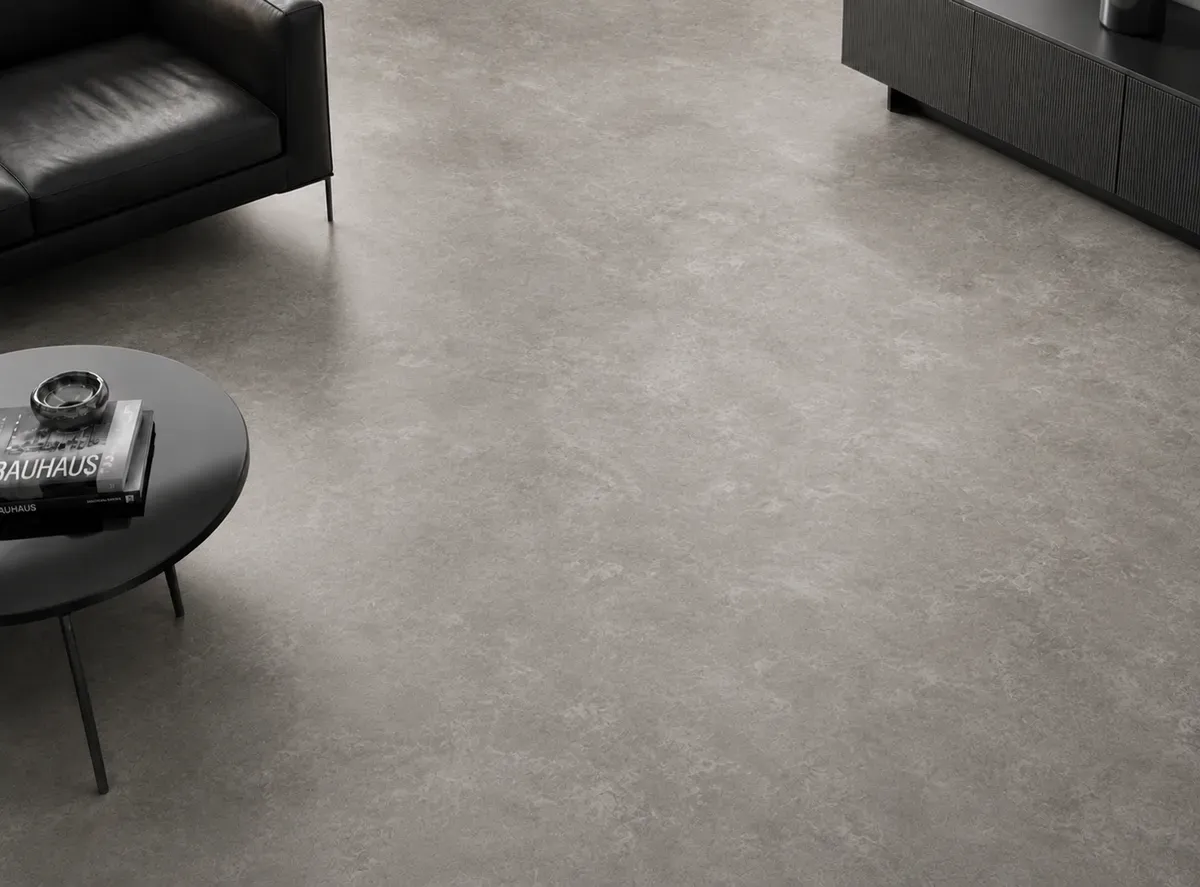
A sheet-shaped floor material made of PVC. It has a cushion layer inside, so as the name suggests it is soft underfoot, and the surface repels water. Rolled sheets are laid to fit the shape of the room, so the finish has few seams.
Pros and cons of cushion floor
Merit
- The easiest of the four types to keep costs down
- Water and dirt are easy to wipe up
- Soft underfoot, and does not feel cold
- A finish with few seams
Demerit
- The legs of heavy furniture tend to leave dents
- More prone to scratches and lifting than harder floor materials
- Partial replacement is generally not possible
Who and which rooms it suits
It suits people who want to change the feel of a room while keeping costs down, rooms where water is used, and anyone who thinks, “I’d like to try changing a floor once.” For a small area such as a washroom or toilet, the cost stays low too.
The difference between general residential and pet-friendly types
Some cushion floor products are made with life with pets in mind. Directions differ by product: a surface finish that is less slippery, layers that resist scratches, or consideration for stains and odors. They look almost the same as general residential types, so the surest way to choose is by which performance a product strengthens, not by its name.
Notes on furniture marks, seams and moisture
The most common regret with cushion floor is furniture marks. Under furniture where the weight is concentrated at points, such as a sofa, bed or refrigerator, dents remain. You can reduce them by placing a board under the legs or choosing furniture that spreads its weight over a surface. In wet areas, check the position of the seams and how they are handled beforehand.
- You want to keep costs down
- You want a floor where water and dirt wipe up quickly
- You prefer a soft feel underfoot
renovy cushion floorSee all →
If slip resistance and durability matter most
Non-skid flooring
Slip resistance, and resistance to marks, together.
¥18,800 and up per tatami mat (excluding tax)
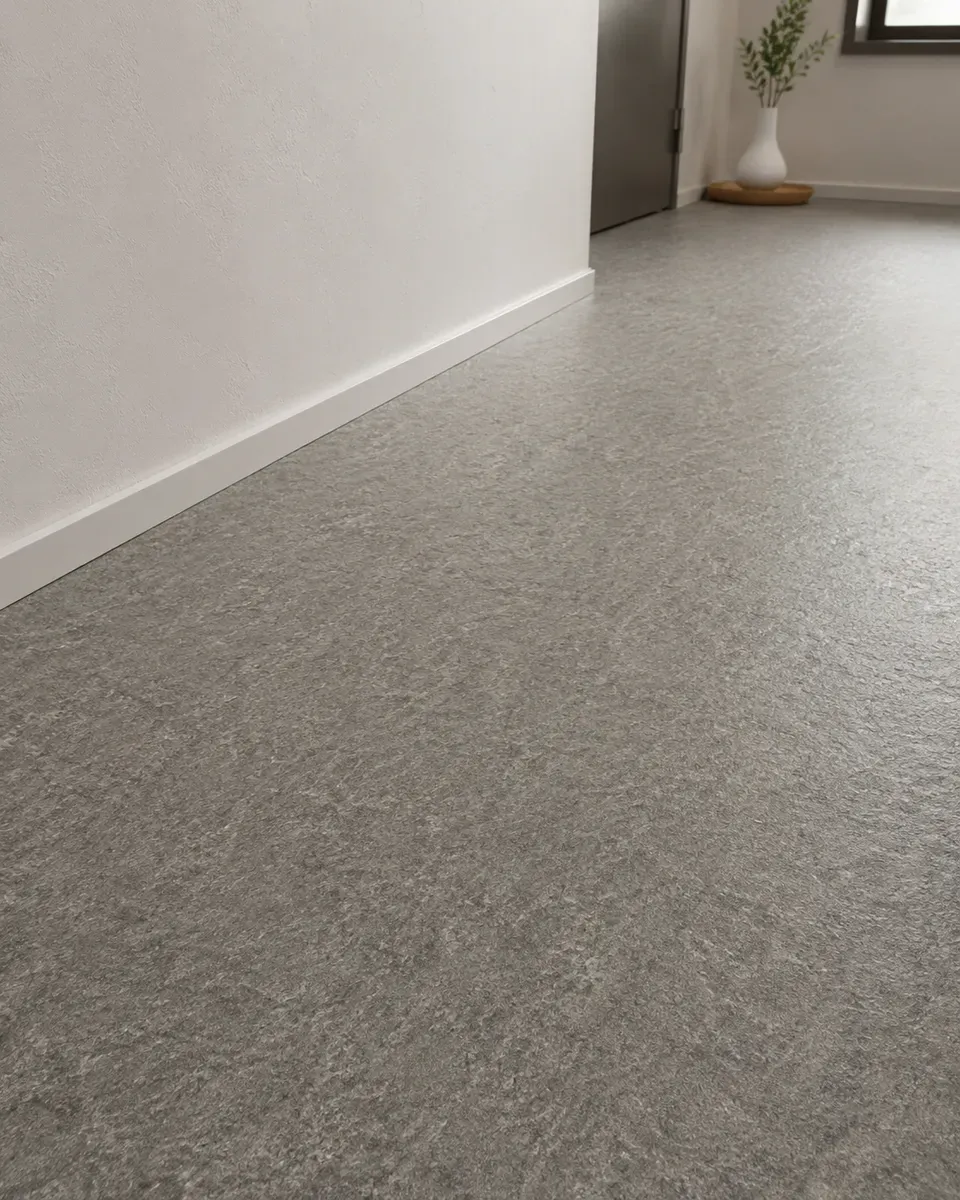
A sheet-shaped floor material built to resist slipping. Its surface is textured, and its main feature is that it is less slippery even when wet. It is a material that was originally used where many people walk, and used in a home it becomes a floor that is almost too sturdy.
Pros and cons of non-skid flooring
Merit
- Among the least slippery of the four types
- Resistant to scratches and wear
- Furniture marks are less likely to remain
- Highly water resistant and easy to wipe clean
Demerit
- Cushioning is not high
- Relatively few pattern variations
- Partial replacement is generally not possible
How it differs from cushion floor
Both are PVC-based sheet floors, but their characters are opposite. Cushion floor aims for softness, and non-skid flooring aims for strength and slip resistance. Being soft, cushion floor keeps furniture marks; being hard, non-skid flooring does not. If you are torn between these two, which are close in budget, decide by the weight of your furniture and whether you want comfort or durability from the floor.
Why it suits homes with pets
When a dog or cat slips on the floor, it puts strain on its legs and hips. Non-skid flooring is less slippery even when wet and resists claw scratches. It is also water resistant enough to wipe up accidents. Combining slip resistance, scratch resistance and wipeability is why it is chosen for rooms shared with pets.
Slip resistance, furniture marks and durability
A floor that resists slipping has a fine texture on its surface. So it does not have a smooth, mirror-like look. If you choose it understanding that it puts function before texture, you are more likely to be satisfied with the result.
- You live with pets
- You do not want furniture marks to remain
- You want a sturdy floor that lasts
renovy non-skid flooringSee all →
If feel underfoot and quiet matter most
Carpet (carpet tile)
Absorbs sound and quiets the space.
¥19,800 and up per tatami mat (excluding tax)
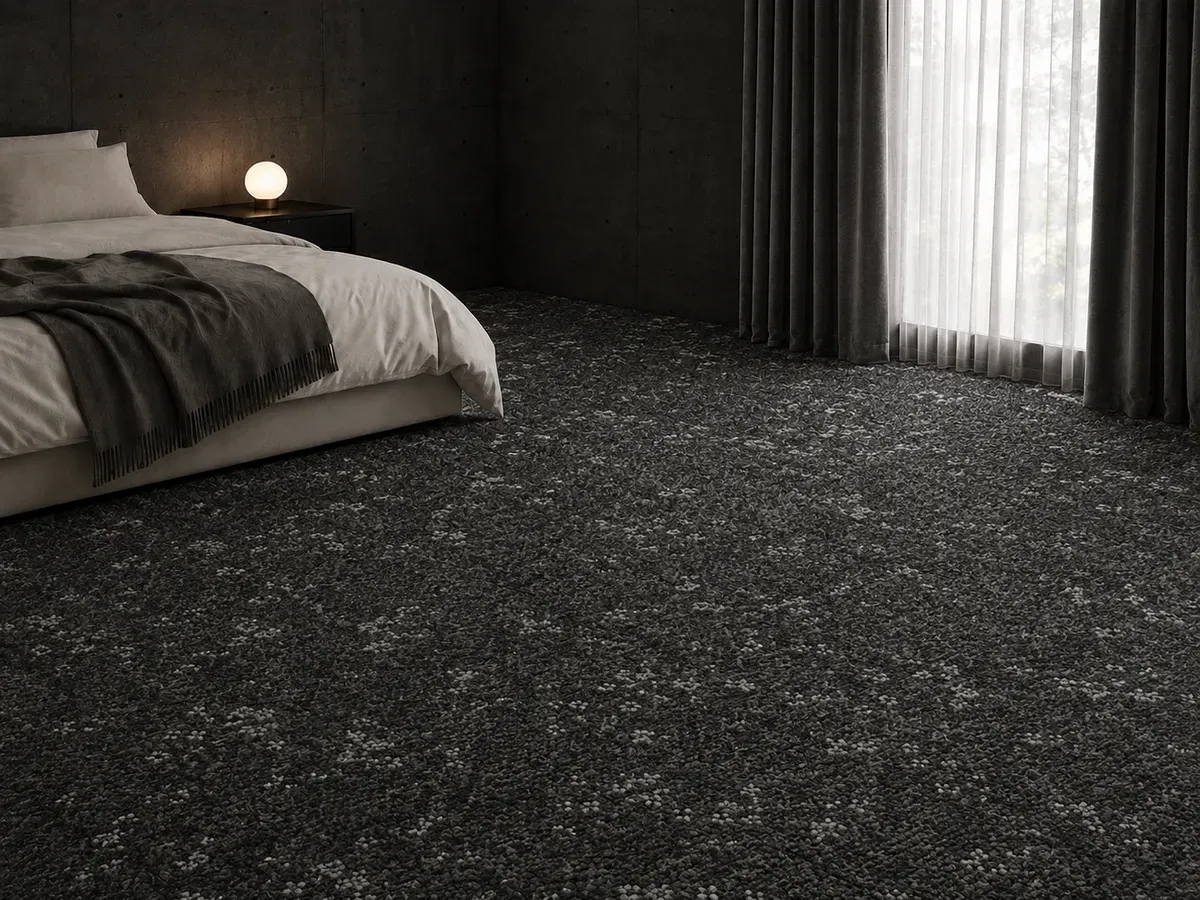
A floor material made of fibers. renovy mainly offers carpet tile, in square panels. Because the panels are laid one by one, you can replace only the soiled part, which is the decisive difference from one-piece carpet.
Pros and cons of carpet
Merit
- Absorbs footsteps and other noise, quieting the room
- Soft underfoot, and not cold in winter
- Resists slipping
- You can replace only the soiled part
Demerit
- Spilled moisture soaks in
- Hair and dust tangle in it, which takes effort to clean
- Not suited to wet areas
Carpet tile versus one-piece carpet
One-piece carpet can make a seamless surface, but if one part gets soiled the whole thing must be replaced. Carpet tile can be replaced panel by panel. In homes with pets or small children, this difference counts as a long-term cost.
Sound insulation and cushioning
If footstep noise is a concern in an apartment building, carpet is the most advantageous of the four. The layer of fibers absorbs sound and impact. It suits rooms where quiet is the value, such as bedrooms and children’s rooms.
Pet hair, accidents and cleaning
Being a fiber floor, hair tangles and moisture soaks in. With carpet tile, though, you can take out the one soiled tile and wash or replace it. Thinking of it not as a floor that never gets dirty but as a floor you can restore after it does makes the reason to choose it clear.
How to replace a part
Remove the damaged panel and fit a single new one of the same product. It helps to keep a few spares at the time of installation for future replacement. Considering that a product may be discontinued, those few spares matter.
- You worry about footsteps heard by the floor below
- You want a quiet, warm bedroom or children’s room
- You want a floor you can restore in part even when it gets soiled
renovy carpet tileSee all →
How to choose a floor for a room shared with pets.
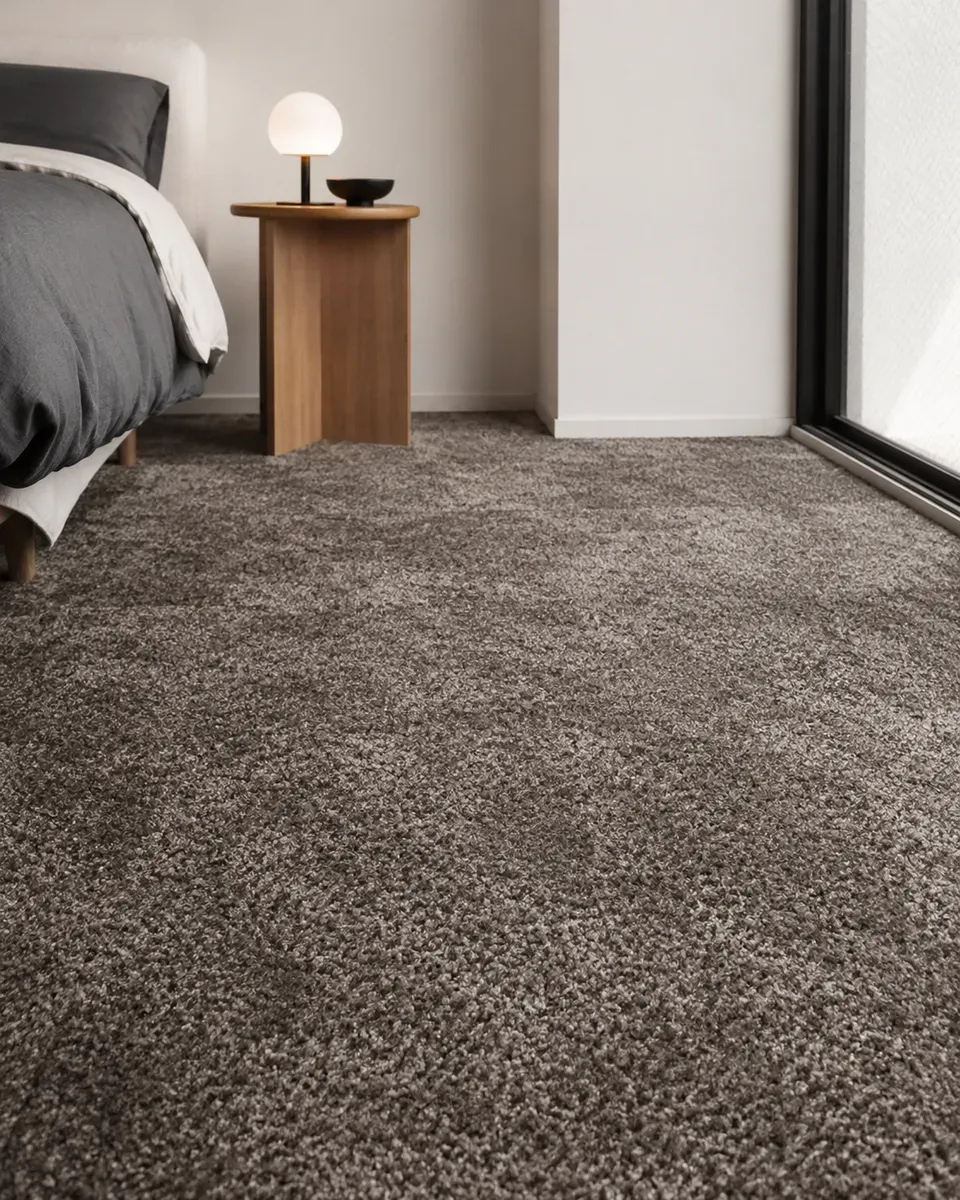
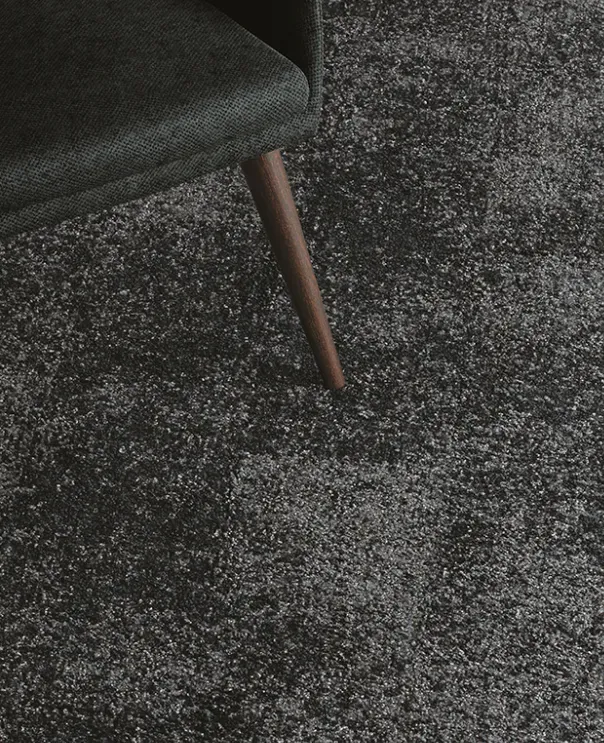
If you choose by slip resistance and ease of cleaning, cushion floor or non-skid flooring. If slip resistance alone matters most, carpet tile is also an option.
We do not recommend floor tile for rooms shared with pets. When an accident happens, liquid can get in through the gaps between tiles and damage the existing floor.
Slip resistance can be compared in numbers.
There is an index called “C.S.R·D′,” measured with a slip piece that imitates a dog’s paw pad; the larger the number, the less slippery the floor. The reference value for residential cushion floor is about 0.35. As the entry-level model that is easiest on price, it can also be chosen for rooms with pets to suit how you use them. Its value is lower than the other floor materials listed, so if slip resistance is your priority, consider a type with enhanced slip resistance.
* Includes manufacturer-published and answered values, series representative values, and unverified renovy estimates (shown with diagonal lines). Estimated values do not replace measured values for dogs and do not guarantee an actual performance ranking. 0.35 is a reference test value for residential cushion floor and not a value common to all products. Check the sources and conditions in “How to read the numbers.”
So, which should you choose?
Here is the comparison so far in four lines. When in doubt, choose the line you nodded at most strongly.
Incidentally, using a different floor material in each room is not unusual at all. Floor tile in the living room, carpet tile in the bedroom, cushion floor in the washroom. Uses differ, so floors may differ.
FAQ.
Can I change the floor material in a rental?
Which floor material is the cheapest?
Which floor material suits a home with pets?
If a floor material is highly water resistant, is it safe in wet areas?
Which floor material is least likely to keep furniture marks?
How to Combine Floors and Wallpaper
Even with the same floor, the wallpaper you pair with it makes the room look completely different. We explain how to decide in three steps: brightness, material feel and use.
Read the next article→Shall we decide together
the right floor for this room?
Tell us about your layout, sunlight, the furniture you plan to place and whether you have pets. Once we hear the conditions, we will propose floor, wallpaper and curtains as one space. You can also check samples at home.
Contact us→Consultation and estimates are free.