Before changing the floor in a rental,
what to check.
“It’s a rental, so I have to give up on the floor.”
Probably most people think so.
But there are really only three things to check.
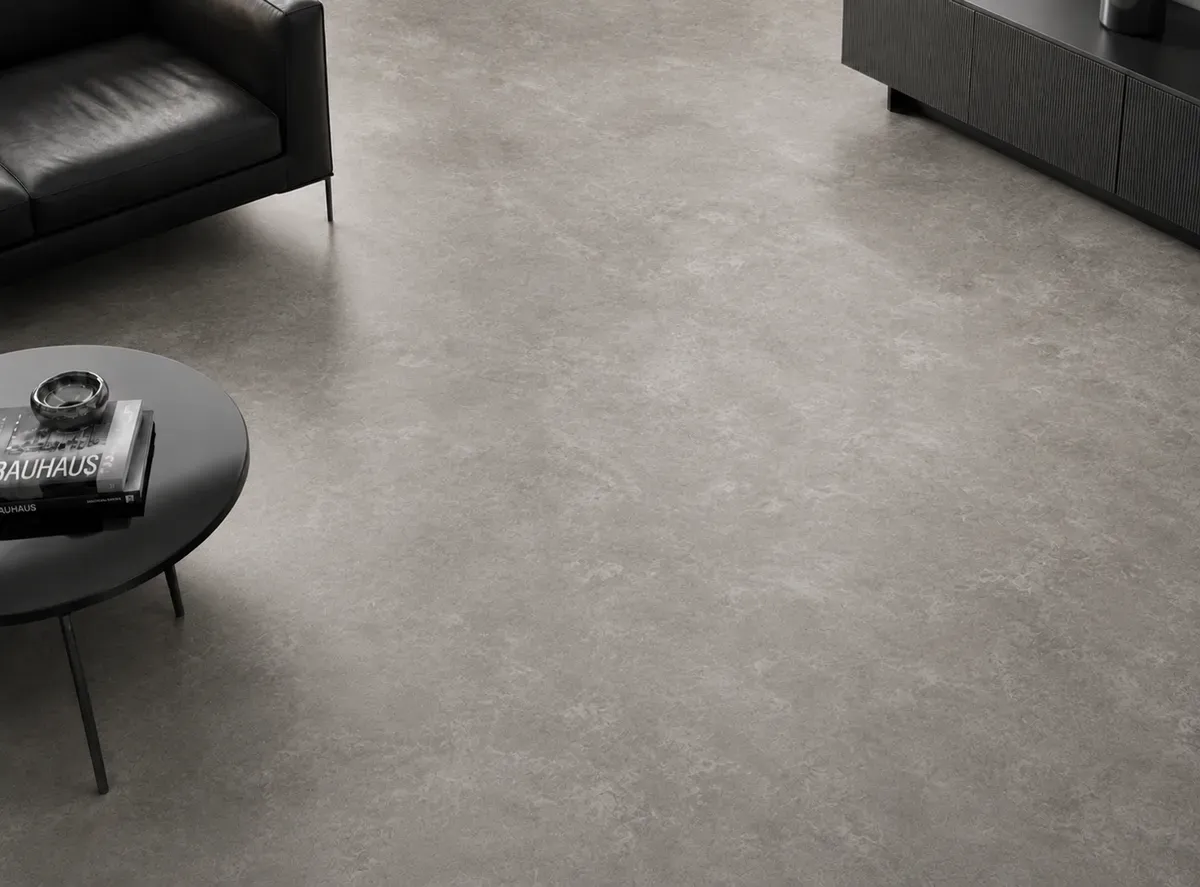
Even in a rented room, you may be able to change the floor, if certain conditions are met.
Whether you can change the floor in a rental is decided by three things: (1) the clause on restoring the unit to its original condition in your lease, (2) the building’s management rules, and (3) permission from the landlord or management company.
On the installation side, there is one condition to meet. It must not damage the existing floor, and it must be removable at move-out. Once it is fixed down with adhesive, that choice is gone.
This article covers the steps to check, how the installation methods differ, and a checklist to avoid disputes at move-out.
Three things to check first.
Do this before choosing a floor material. If you skip it, the conversation can stall after you have found a floor you like.
A verbal “I think it’s probably fine” disappears when the person in charge changes. Simply keeping the email exchange makes a big difference to your burden at move-out.
How far does restoring the original condition go?
It is often misunderstood, but restoring the original condition does not necessarily mean returning the unit to a brand-new state exactly as it was at move-in.
The Ministry of Land, Infrastructure, Transport and Tourism’s “Guidelines on Disputes over Restoration to Original Condition” sets out the idea that wear from aging and ordinary use (ordinary wear) is the landlord’s responsibility, and that the tenant is responsible for damage caused by intent, negligence or a breach of the duty of reasonable care.
But these are only guidelines. If your actual contract has a special clause, that clause may apply. That is why the first thing to read is the contract.
Adhesive marks, leftover tackiness, screw holes. These are hard to undo later. So choose a method that leaves none of them from the start.
* This is a general way of thinking and does not guarantee a judgment on any individual contract. The final decision depends on the contract and the landlord’s judgment.
Four installation methods compared.
“You can change the floor even in a rental” actually covers several different methods. Ease and finish differ clearly by method.
| Method | Effect on the existing floor | Finish | Suited to |
|---|---|---|---|
| Laying a rug or mat | None | Partial. The overall impression of the floor does not change | When you want something right now, at no cost |
| Floor material laid down loosely | Almost none | Shifting, gaps and the finish at the edges tend to be problems | A small, square room. When you want to do the work yourself |
| Professional installation of a suction-type or thin type | A method that does not damage the existing floor can be chosen | Can be cut to fit the room, with high precision | In a rental, when you care about the finish |
| Fixing with adhesive | Adhesive remains on the existing floor | The most stable, but removal is difficult | A home you own |
* What is actually possible and how it turns out differ depending on the material and condition of the existing floor, the shape of the room and the product used.
Where the difference shows between a loose-laid floor and professional installation
The difference shows at the corners of the room. A room is not a perfect rectangle. There are projecting columns, door frames, spaces under storage, and the joins with the baseboard. A loose-laid floor needs cutouts in these places, and they look rough.
It also moves over time. Dust gets into a gap of a few millimeters opened by shifting. That single line can make the whole room feel temporary. The difference from professional installation appears not on day one but after a year.
Always look at the condition of the existing floor first
Even with a method that goes over the top, the condition underneath shows in the result. If the existing hardwood flooring has large warps or squeaks, they also affect the floor laid over it. Humid rooms and rooms with floor heating also need to be checked beforehand.
A checklist before you sign.
Before you ask for installation, check these five. If all are “yes,” the chance of a dispute at move-out falls considerably.
Whether it can be done depends on the combination of the property’s condition, the contract terms and the installation method. Ask for an explanation of the concrete steps rather than an abstract guarantee.
renovy’s Reversible Renovation.
renovy proposes ways to change floors and wallpaper, even in rental homes, on the premise of restoring the unit to its original condition at move-out. We install over the existing floor in a way that does not damage it. That way, even a rented room can become your own.
Conditions differ by property: the material of the existing floor, the management rules, the contract. After confirming those, we handle everything from choosing materials to installation and the consultation afterward. You can start by asking, “Can it be done in this property?”
FAQ.
Is it all right to change the floor in a rental?
Does restoring the unit to its original condition mean returning it to exactly how it was at move-in?
What is the difference between a floor that is simply laid down and professional installation?
Who removes the floor material at move-out?
Can it be installed in a room with floor heating?
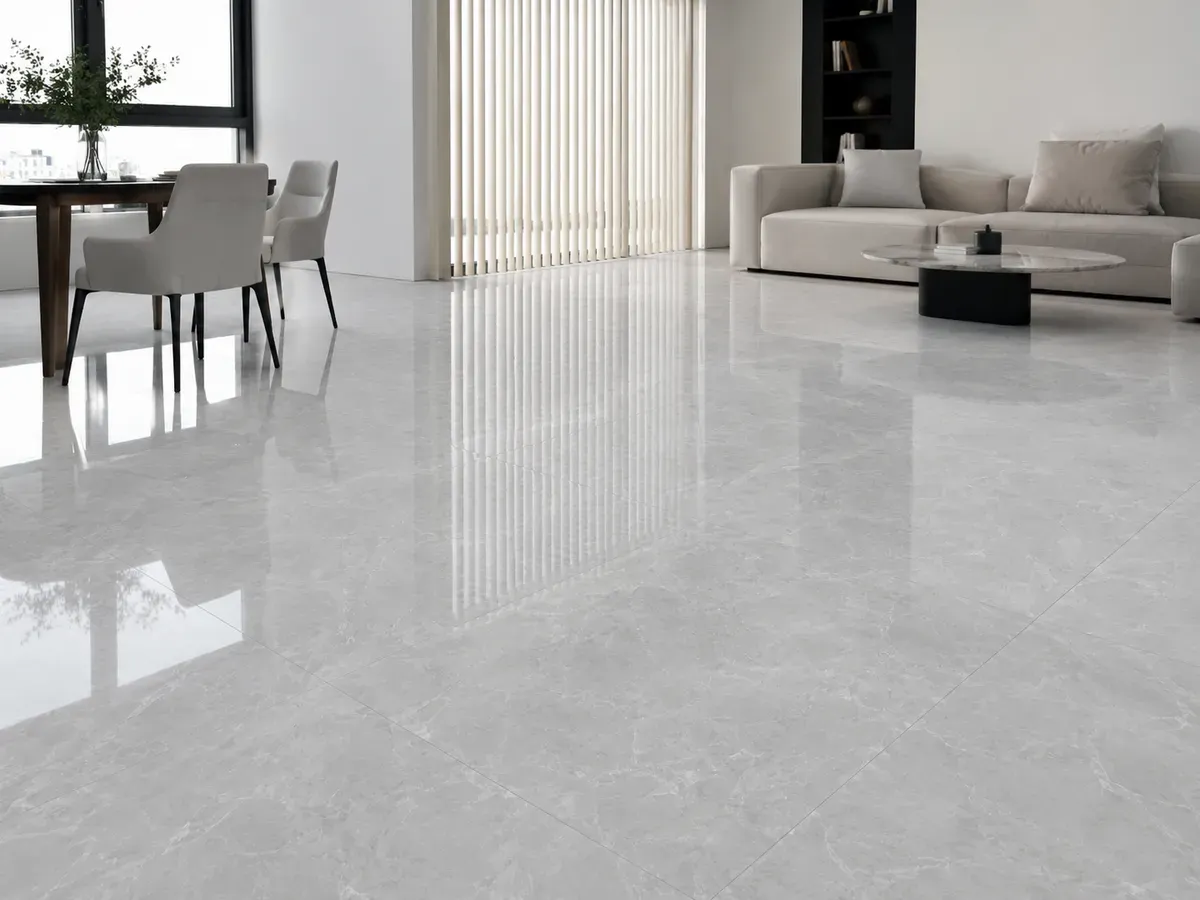
Four floor materials compared in depth
Cushion floor, floor tile, non-skid flooring and carpet. Compared on 12 points including cost, appearance, durability and sound insulation.
Read the next article→Ask whether it can be done in this property,
by chatting with us.
Tell us about your contract, the condition of the existing floor and the management rules. Once we hear the conditions, we will tell you clearly which methods are possible and which are not. You are welcome to ask even before you move in.
Contact us→Consultation and estimates are free.