Floor tile or cushion floor,
which to choose.
Side by side, they look alike. Both are PVC, and both can be installed over an existing floor.
But how they look once laid in a room, and what happens when you spill water, are clearly different.
Here is where those differences come from.
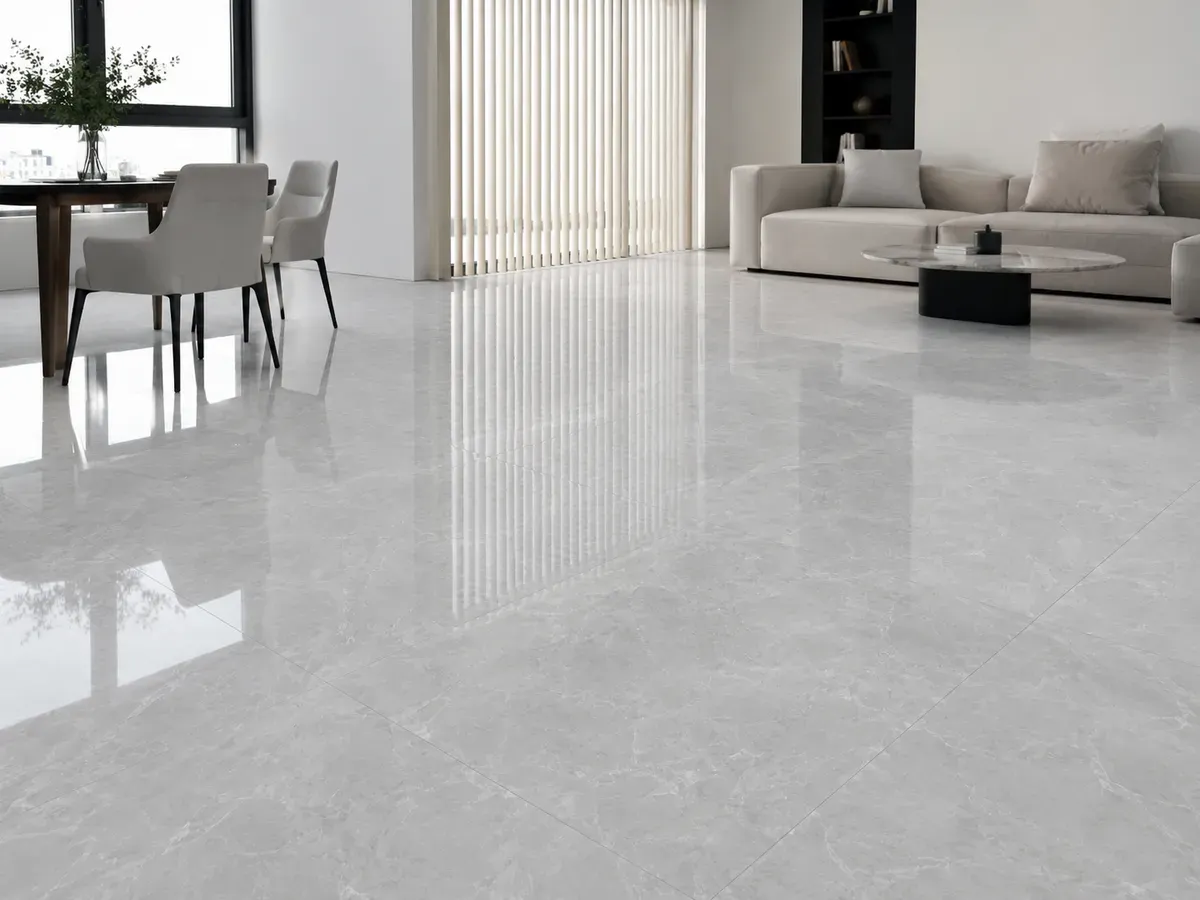
The floor is the largest “color” and “material” in a room.
If the texture of the finish comes first, floor tile. If cost, water resistance and a softer feel underfoot come first, cushion floor.
Most of the differences can be explained by structure. Floor tile is a material laid as rigid tiles one by one, with a textured surface and seams between the tiles. Cushion floor is a material laid as a sheet with a cushion layer inside, with a flat surface and a finish with few seams.
This “texture and seams, or not” produces both the difference in texture and the difference in water resistance. It is not a matter of which is better. Using each where it suits the room is the surest way to choose.
First, the overall picture in one table.
| Floor material | Main feature | Main advantages | Main points to note |
|---|---|---|---|
| Floor tile | Rigid, tile-shaped floor material | Stone and mortar texture / durability / a high-end feel | Has seams and is not suited to wet areas |
| Cushion floor | Soft, sheet-shaped floor material | Easy to keep costs down / water resistance / cushioning | Furniture marks and dents tend to remain |
* Performance varies by product and installation conditions. What is written here is the general tendency of each material.
If texture and a high-end feel matter most
Floor tile
The highest quality of finish.
Prices vary by product
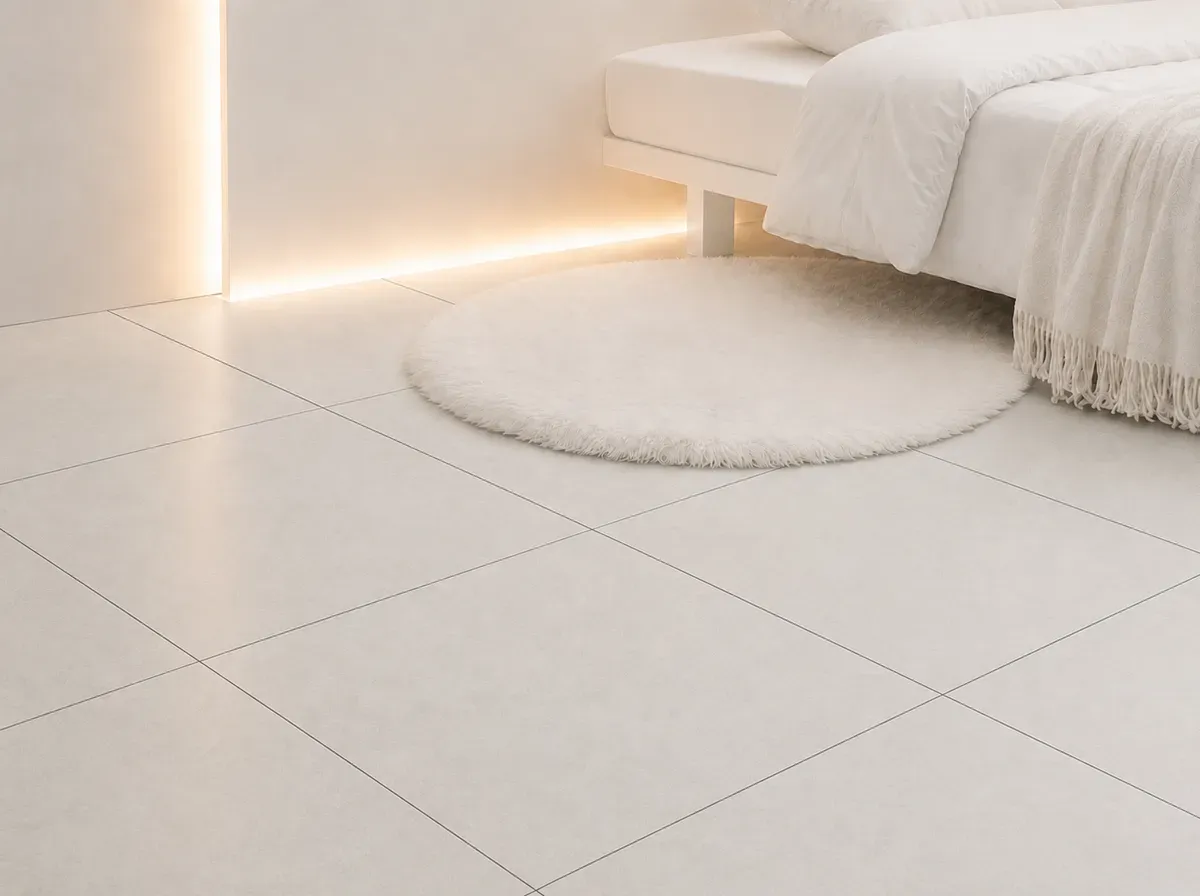
A rigid floor material formed into tiles or planks. The surface has a stone-like texture and a glossy feel, and light creates shadow and depth. Because it is laid one piece at a time, the finish can come close to the texture of natural stone.
Pros and cons of floor tile
Pros
- Expresses the texture of stone and mortar realistically
- Glossy marble looks are available
- Hard, and resistant to scratches and wear
- Furniture marks are less likely to remain
- Can be partially replaced, depending on the installation method
Cons
- Costs more than cushion floor
- Water can get in through the seams between tiles
- Because it is hard, it can be felt underfoot and sounds of dropped items carry
- Unevenness in the base tends to show in the finish
- You want a hotel-like texture
- You do not want scratches or furniture marks to remain
- You want a floor with a glossy marble look
- You want to change the feel of your living room or bedroom a great deal
renovy floor tileSee all →
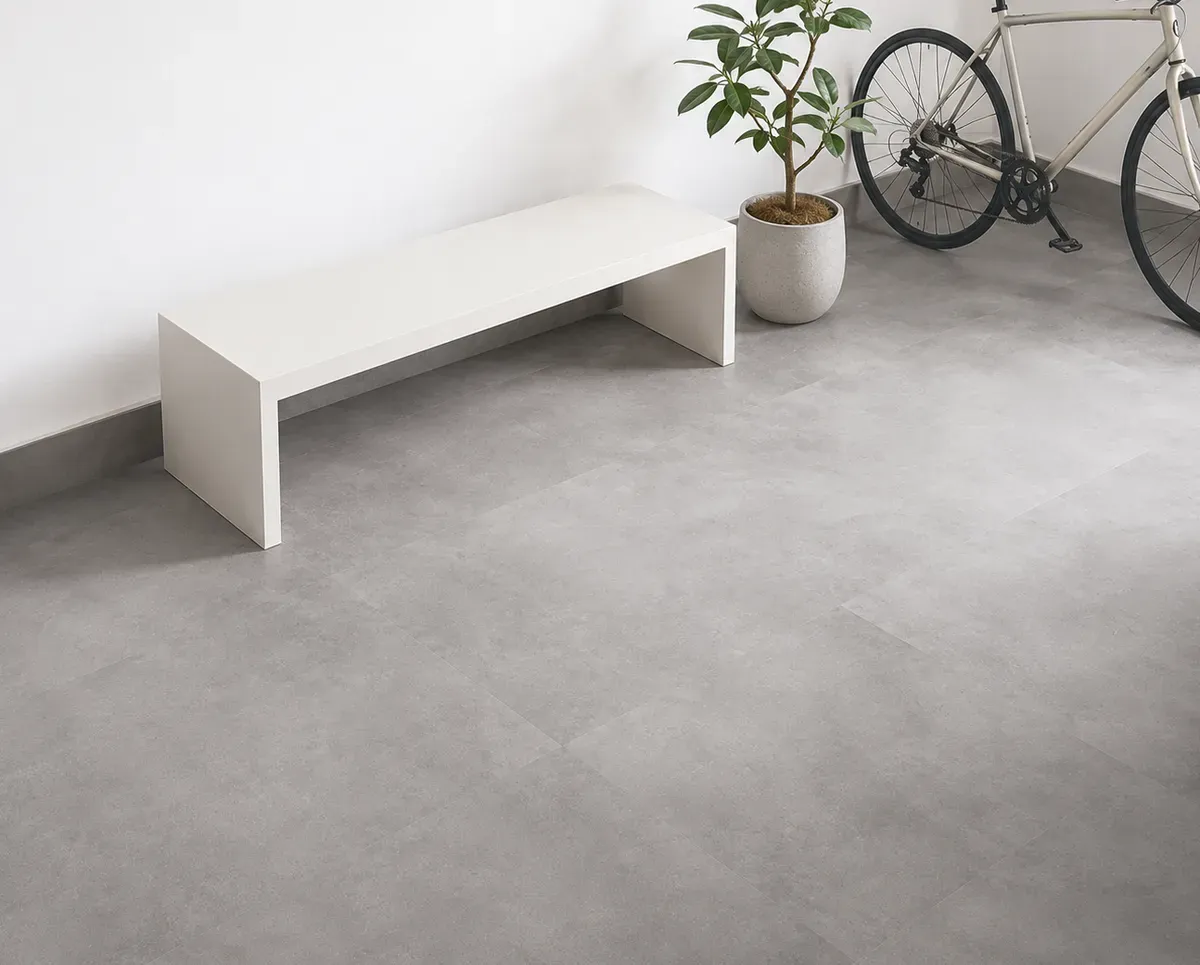
If cost and water resistance matter most
Cushion floor
Within reach in price, and good against water.
¥14,800 and up per tatami mat (tax included)
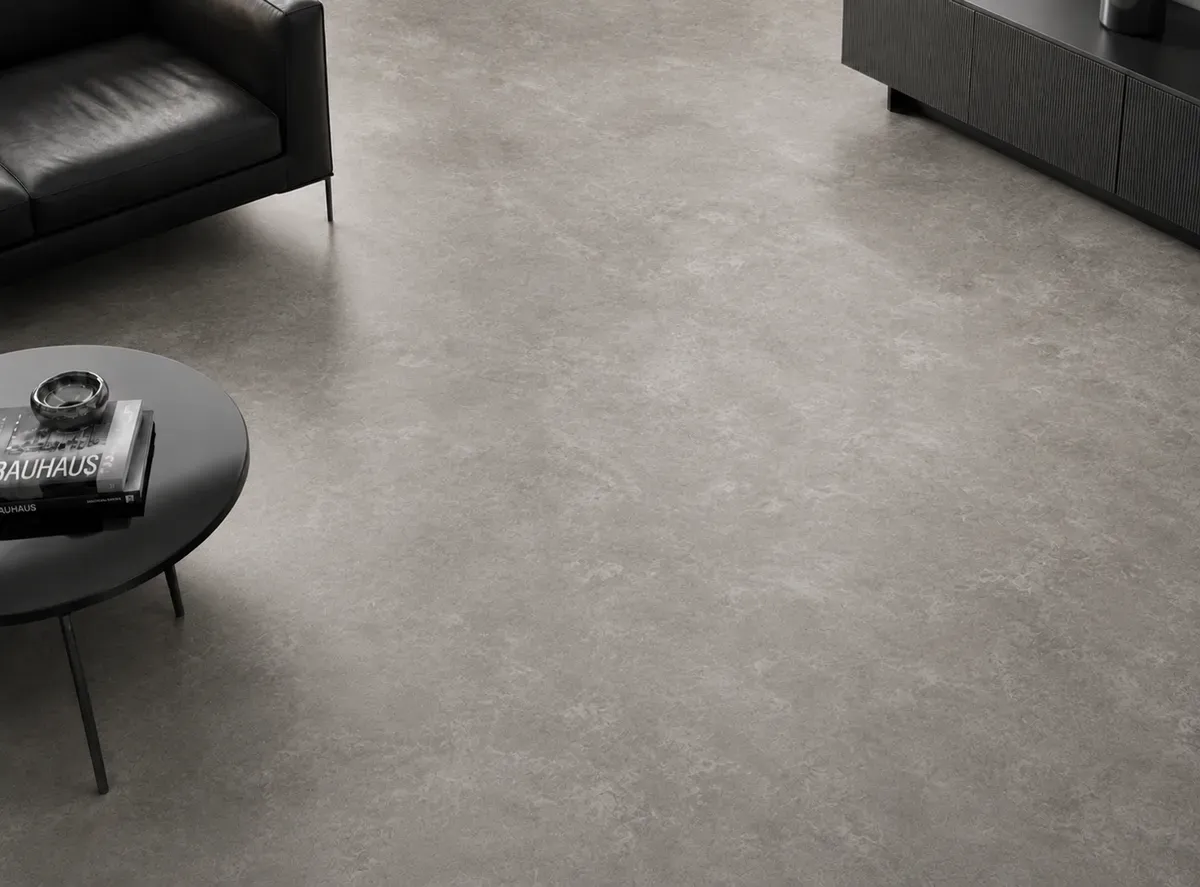
A sheet-shaped floor material with a cushion layer inside, so as the name suggests it is soft underfoot, and the surface repels water. Rolled sheets are laid to fit the shape of the room, so the finish has few seams.
Pros and cons of cushion floor
Pros
- The easiest of renovy’s floor materials to keep costs down
- Few seams, so water is less likely to get underneath
- Water and dirt are easy to wipe up
- Cushioned and soft underfoot
- Functional products are available, such as pet-friendly, deodorizing and antibacterial types
Cons
- The surface is flat, so a three-dimensional texture is hard to achieve
- The weight of furniture can leave dents and marks
- Dragging something sharp across it can tear it
- Spot repairs tend to show
- You want to keep costs down as much as possible
- You want to use it in a kitchen, washroom or toilet
- You value softness and ease of walking
- You want a floor that is less slippery for pets
renovy cushion floorSee all →
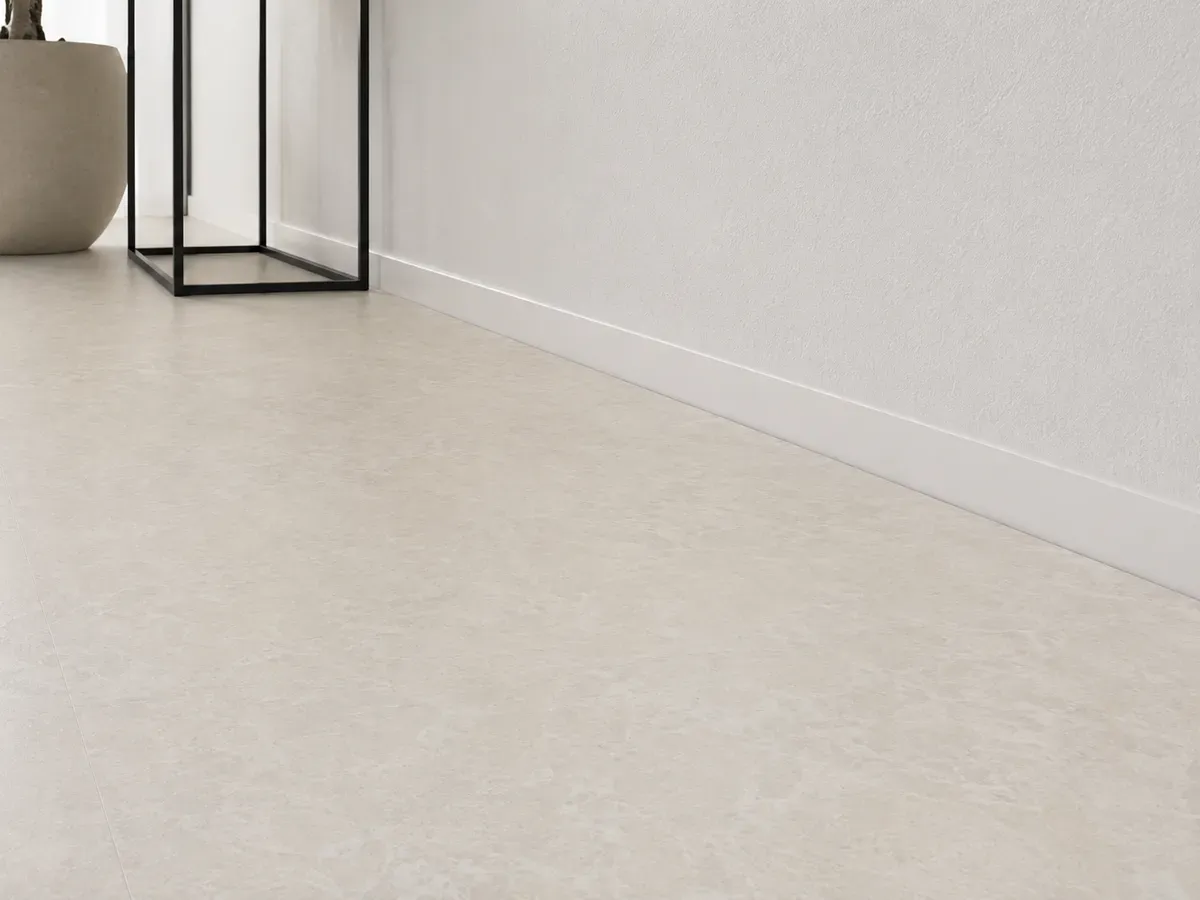
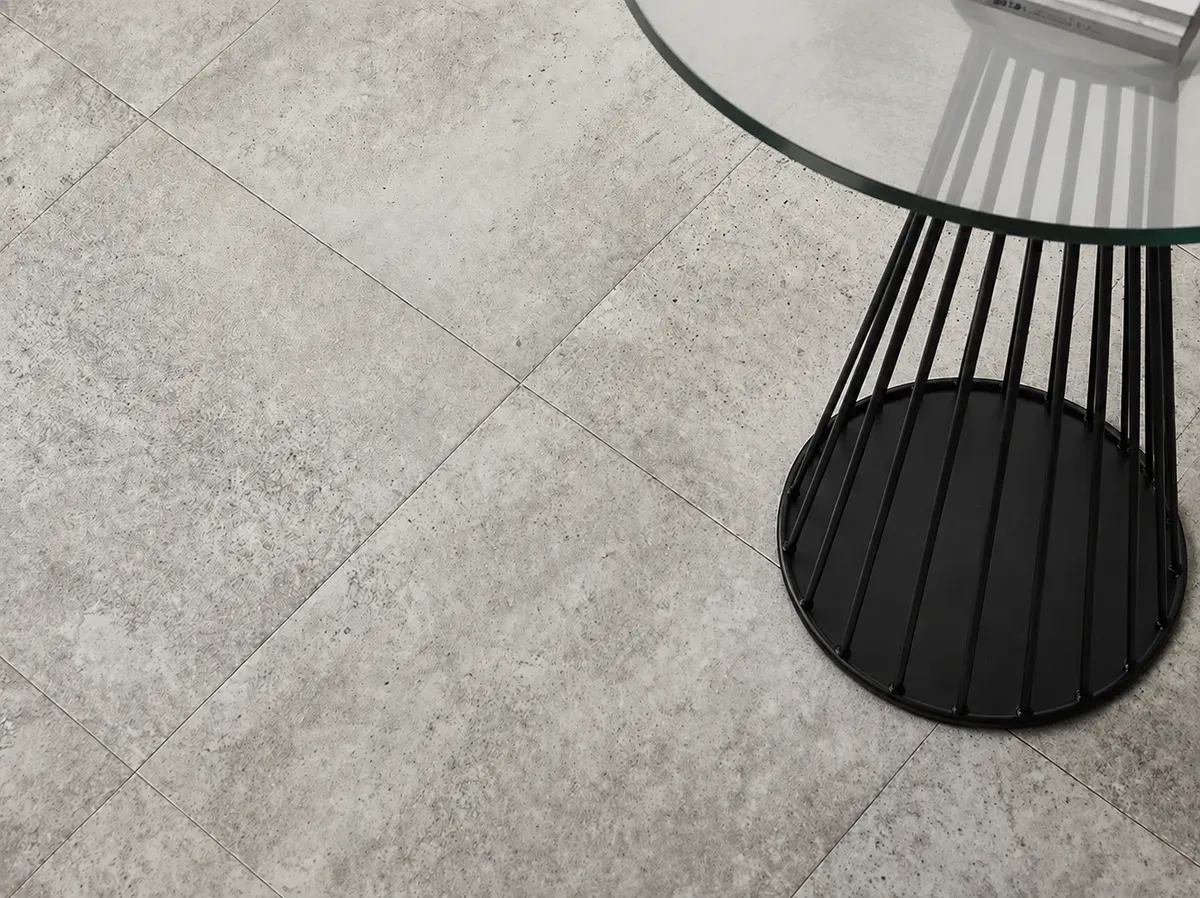
Compared in detail on nine points.
| Item compared | Floor tile | Cushion floor |
|---|---|---|
| Texture and material feel | ◎ | ○ |
| High-end feel | ◎ | ○ |
| Expressing gloss | ◎ | △ |
| Ease of keeping costs down | △ | ◎ |
| Water resistance | △Water enters through seams | ◎ |
| Cushioning | − | ◎ |
| Resistance to furniture marks | ◎ | △ |
| Partial replacement | ○Depends on installation method | −Generally not possible |
| Compatibility with pets | △Watch the seams | ○◎ with pet-friendly products |
◎ Particularly good ○ Sufficient △ Somewhat weaker − Not supported
* This is a relative evaluation of the two types, not an absolute performance value.
* Even the same floor material differs by product grade. Check the product specifications when you actually choose.
Both floor tile and cushion floor are materials that resist water. But a floor is not a single board; it has seams and joins with the walls. If water gets in there, the base can be damaged even if the floor material is fine. In washrooms and toilets, check not only the water resistance of the material but also how the seams are handled.
Where the difference in texture comes from.
The floor is a surface that greatly shapes a room’s impression. Even with the same stone pattern, floor tile gains a material-like depth from its surface texture and the boundary between each tile. Cushion floor has a flat finish and balances ease of use against cost rather than texture.
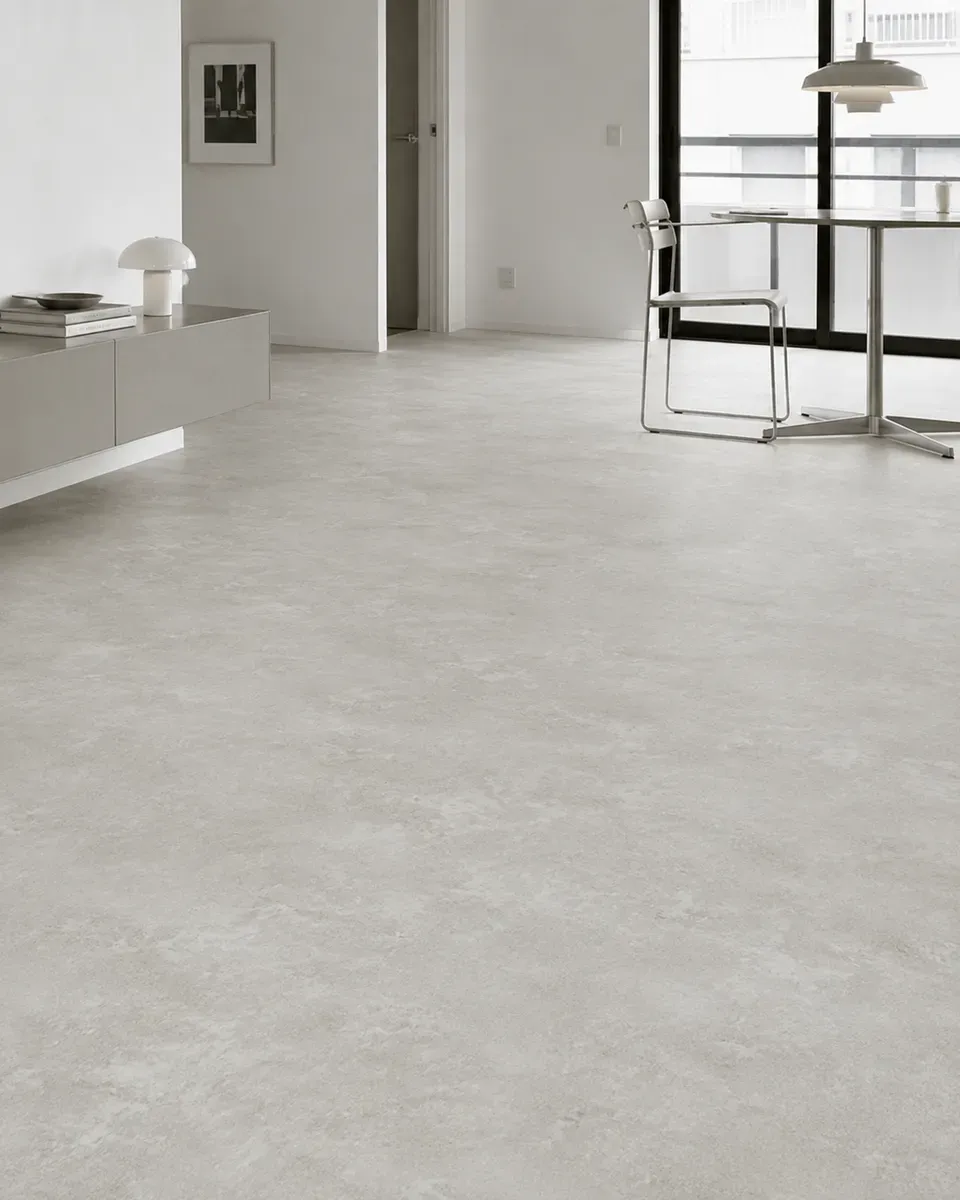
When the area changes, so do the color and the way light reflects. Judge on as large a surface as you can.
The difference in water resistance.
Cushion floor does not easily absorb water at the surface, and being a sheet it can be laid with fewer seams. Water and dirt are easy to wipe up, so it suits kitchens, washrooms and toilets.
With floor tile, the tile itself resists water. But because it is laid one tile at a time, there are seams between tiles. A large amount of water, or water left for a long time, may get through those seams.
Using each by place is the surest way to choose.
For a room shared with pets.
If you choose by slip resistance and ease of care, pet-friendly cushion floor is the one. It has a surface finish that is less slippery, helps keep the load on legs and hips down, and lets you wipe up accidents and spilled food. Some products also offer deodorizing and antibacterial functions.
We do not recommend floor tile for rooms shared with pets. When an accident happens, liquid can get in through the tile seams and damage the existing floor.
* Not every cushion floor is less slippery. Some products have a glossy smooth surface, so be sure to choose from pet-friendly products.
Recommendations by room.
| Place | Recommended | Reason |
|---|---|---|
| Living room | Floor tile | Easy to bring out texture and a high-end feel |
| Bedroom | Floor tile | A calm texture makes it easy to create a quiet space |
| Kitchen | Either works | Cushion floor for easy wiping of dirt, floor tile for texture |
| Washroom and toilet | Cushion floor | Few seams, easy to use in wet areas |
| Entrance and hallway | Floor tile | Easy to bring out stone-like textures |
| Pet room | Pet-friendly cushion floor | Slip resistance and ease of care |
| Hotel-like room | Floor tile | Brings out gloss and the high-end feel of stone |
* Using a different floor material in each room is not unusual at all. Uses differ, so floors may differ.
So, which should you choose?
Here is the comparison so far in six lines. When in doubt, choose the line you nodded at most strongly.
FAQ.
Is floor tile weak against water?
Does cushion floor look cheap?
Which do you recommend for pets?
Can floor tile be partially replaced?
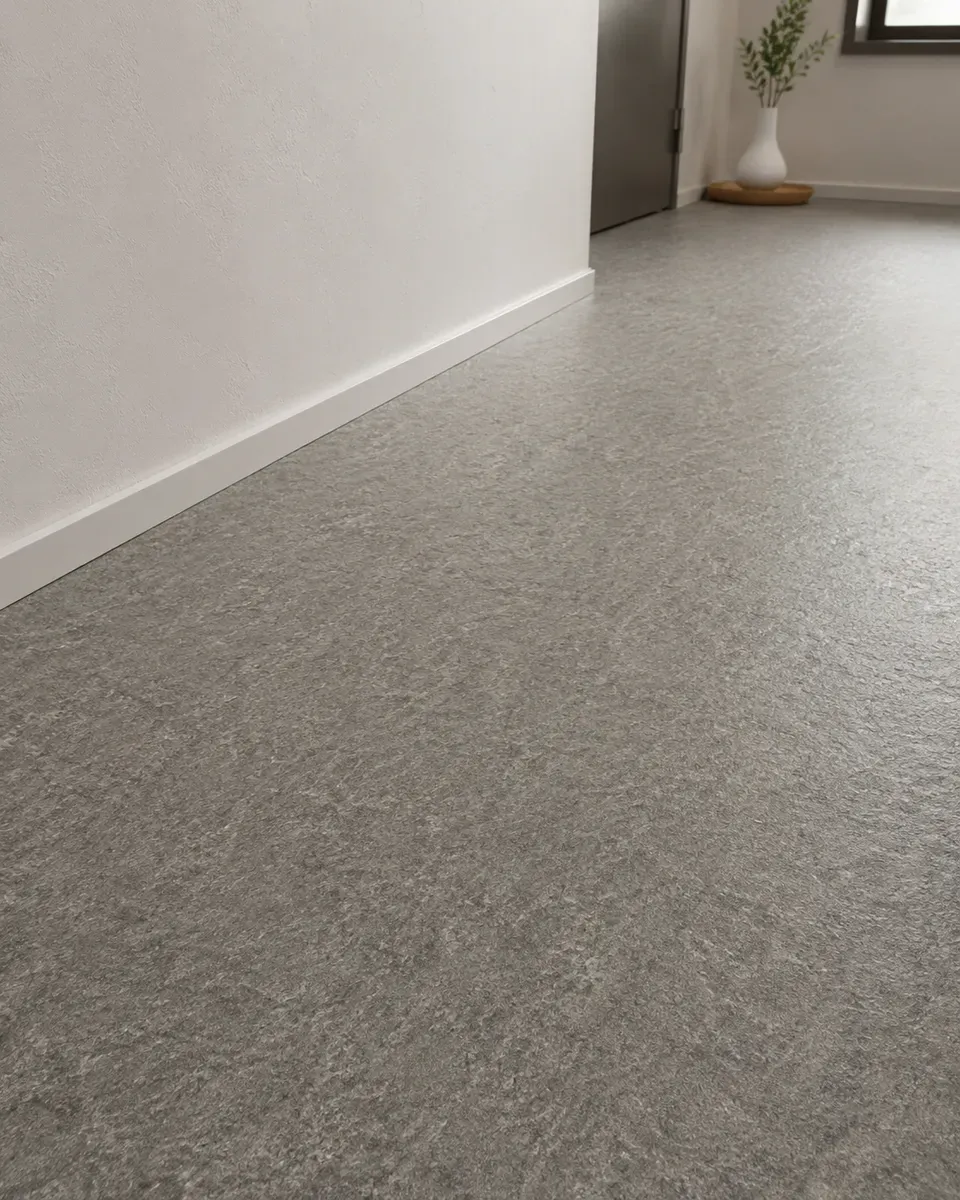
Four Floor Materials Compared in Depth
Four types, floor tile and cushion floor plus non-skid flooring and carpet tile, compared on 12 points. For those who want to think about slip resistance and sound insulation too.
Read the next article→Which one suits
your room?
With a small sample alone, it is hard to picture the whole room once the floor is laid. At renovy, we create for free an image of your actual room after changing to floor tile or cushion floor, using a photo of it. You do not need to have decided on installation yet.
Try a floor in your own room→Consultation and estimates are free.